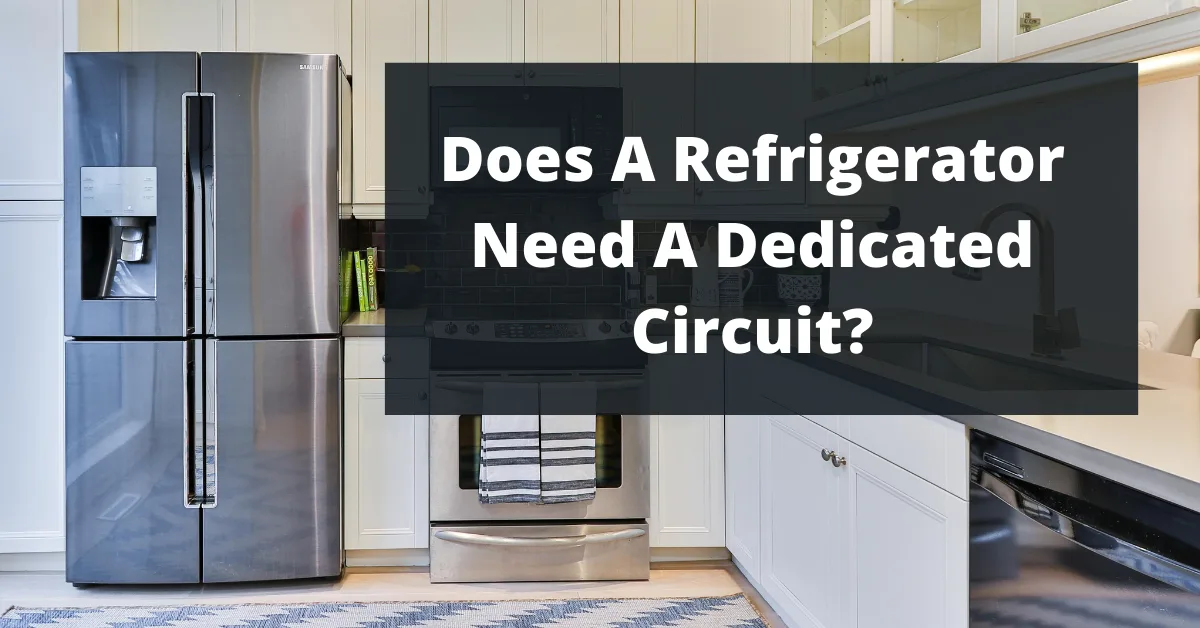

Major kitchen appliances tend to go unnoticed until they stop working, and then everything else in the kitchen has to wait. This category covers refrigerators, freezers, ice makers, dishwashers, garbage disposals and whole-kitchen brands and packages. The goal is to help you buy sensibly, use each appliance well and tell a simple fix from a job for a professional.
Buying major kitchen appliances
A good purchase starts with a tape measure and a realistic look at your kitchen. Brand reputation matters less than whether a machine fits your space and can be serviced where you live.
Measure before you shop
Measure the opening, and then measure the doorways and hallways the appliance must pass through. Allow room for door swing, ventilation and water or power connections. Most standard built-in dishwashers are about 24 inches wide, but full-size refrigerators vary considerably in width, depth and height.
Weigh brands and packages carefully
An appliance package can simplify a kitchen project and may save money on the bundle. Compare the price of each piece on its own, though, because a package only helps if you want every item in it. Check warranty terms, delivery and installation costs, and whether local technicians service the brand.
The main sub-topic in this category
One sub-topic anchors this category because it comes up so often in real kitchens.
Dishwasher Troubleshooting
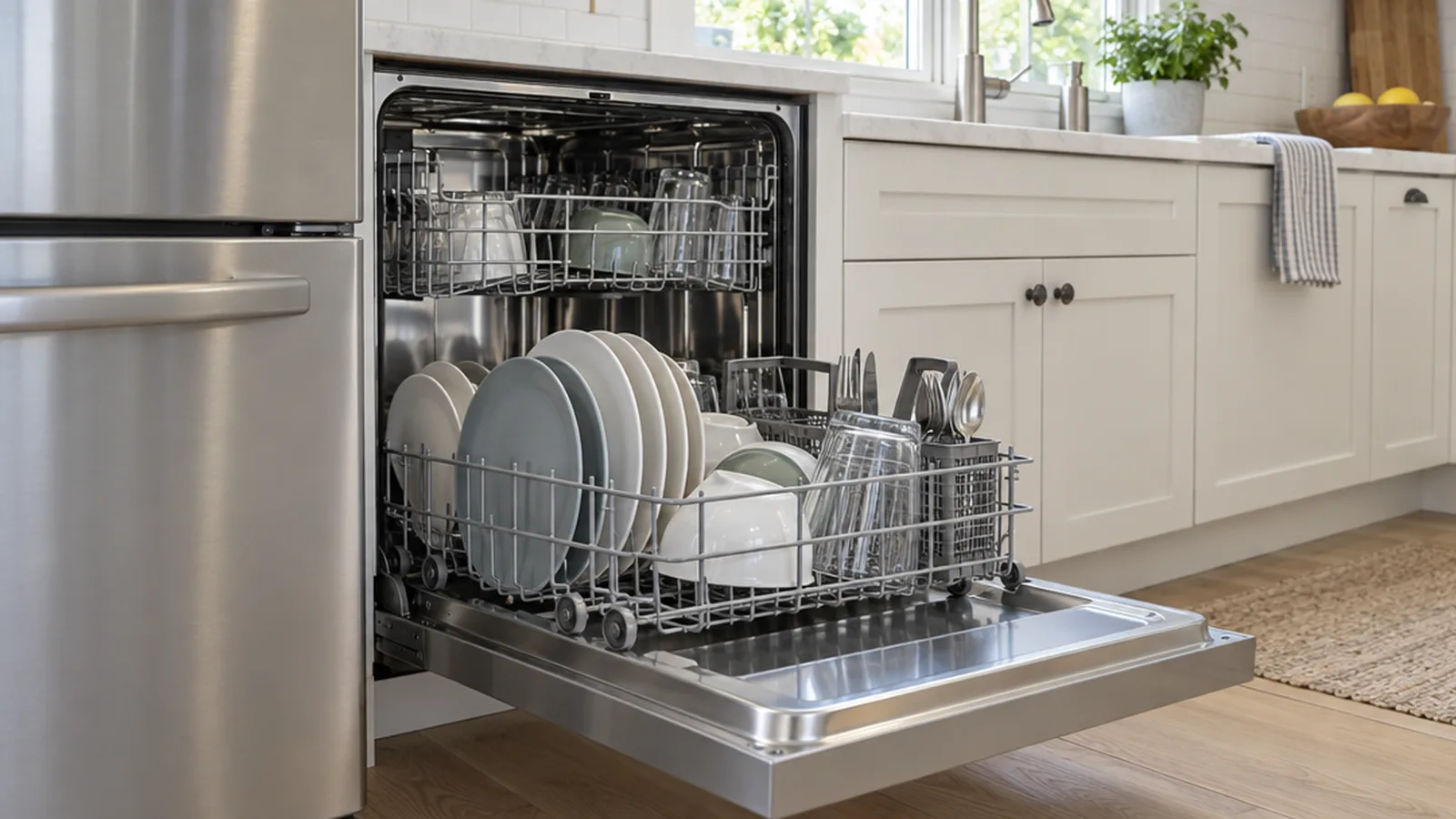
Dishwasher troubleshooting works best as a sequence, starting with the simplest causes. If water stays in the tub, clean the filter, check the drain hose for kinks and look at the air gap if your sink has one. If the dishwasher drains into a newly installed garbage disposal, confirm the installer removed the knockout plug. If the machine has power but won’t start, check the door latch, the control lock and any delay setting. Turn off the power before you reach into the tub, and use your manual for model-specific steps and error codes.
Living with a dishwasher
A dishwasher does its best work when it is loaded correctly and matched with the right detergent. Hard water can leave a cloudy film, so your water conditions can affect which detergent and rinse aid will work well. Most dishwashers can raise the temperature of incoming water with a built-in heater, but they still rely on a proper hot-water supply in most homes. Dishwasher-safe markings vary between makers, so treat the manufacturer’s care instructions as the final word. Check your manual as well before you try a home cleaning method, since some products and routines aren’t recommended for every machine.
Refrigerators, freezers and ice makers
Cold storage is a food-safety matter as well as a convenience.
Check the real temperature
The FDA recommends keeping a refrigerator at 40 degrees Fahrenheit or below and a freezer at 0 degrees Fahrenheit. A numbered dial is only a relative setting, so an appliance thermometer is the reliable way to know where you stand.
When the refrigerator isn’t cooling
Start with the easy checks, such as a blocked vent, a door that isn’t sealing and dusty condenser coils. If the freezer stays cold while the refrigerator warms up, the trouble may be restricted airflow between the two sections. A reset or power cycle may help on some models, so look up the correct steps for yours. A suspected sealed-system problem is a job for a licensed technician.
After a power outage
Keep the doors closed as much as you can. The USDA says a refrigerator keeps food safe for about four hours without power, while a full freezer holds for about 48 hours and a half-full freezer for about 24 hours. When in doubt, throw questionable food out.
Ice makers
Built-in ice makers rely on a working water supply, the correct freezer temperature and a shut-off arm or switch in the right position. Countertop ice makers skip the plumbing, but they need regular cleaning and draining.
Garbage disposals
A disposal is simple to troubleshoot once you know the rule that comes first. Never put your hand in a disposal, and always cut its power before you work on it. A humming disposal is often jammed, and many models have a hex socket underneath for turning the motor by hand. A unit that is silent may only need its reset button pressed, which is usually on the bottom of the housing. A leak from the bottom often points to worn internal seals, and that can make replacement the more practical answer. Installation combines plumbing and electrical work, so check your local requirements and bring in a professional if either part is unfamiliar.
Deciding whether to repair or replace
Write down the model number and the appliance’s age before you make any decision. Compare a written repair quote against the full replacement cost, including delivery, installation and haul-away. Consider how often the machine has failed recently, because one repair is rarely the whole story on an aging appliance.
Stoves, ovens, microwaves and range hoods are in Cooking Appliances.