
Tim Rhodes
I was born and raised in Knoxville, Tennessee, in a house where a broken appliance was a puzzle before it was a bill. My dad's answer to most household trouble was to unplug the thing, find the manual and sit down on the kitchen floor with it. My mother's answer was to keep supper moving, usually a pot of soup beans on the stove and cornbread in a cast iron skillet, whatever was going on around her feet. Between the two of them, I grew up believing a kitchen was worth understanding.
I'm 55 now, and I have spent years as a committed do-it-yourself homeowner doing what my dad did. My dishwasher, my garbage disposal, my refrigerator and my oven have each had a turn at sending me to the floor with a flashlight. Some of those problems I sorted out myself, some went to a repair technician, and a few ended with me buying new. The question was always the same, and it was never really about the machine. It was whether this was worth fixing, worth paying someone else to fix, or ready to be retired.
Somewhere along the way, I became the person who asks why. When a brochure promises a miracle or someone on a showroom floor tells me one range is simply better, I want to know why that should be true. I like a good answer, and I'm happy to change my mind for one. I just don't accept "everybody knows" as a reason, and I never much liked paying for a feature nobody could explain.
That habit is what Kitchen Dimes grew out of. The name fits the way I think about a kitchen, because small decisions and small fixes add up over the years. I share kitchen product reviews and practical information about appliances such as refrigerators and dishwashers, along with the cookware and tools home cooks reach for every day. I'm not a licensed technician and I don't run a test lab, and my time on the kitchen floor is where my questions come from rather than proof that any product is good. What I can offer is a stubborn curiosity and a plain explanation. If you have a question about something in your own kitchen, I'd be glad to hear it.
Articles by Tim Rhodes
 guide
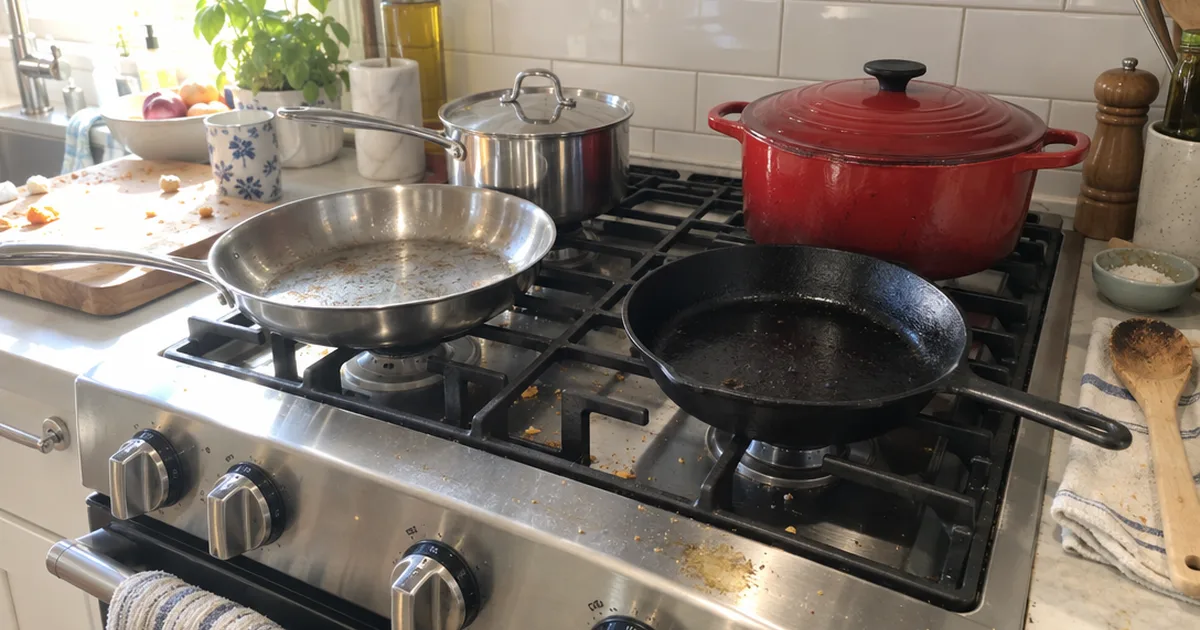
Pots and Pans: The 6 Pieces Most Home Cooks Really Need
The 6 pots and pans that handle most home cooking, the size and material for each, whether a set is worth it, what's safe and how much to spend.
 guide
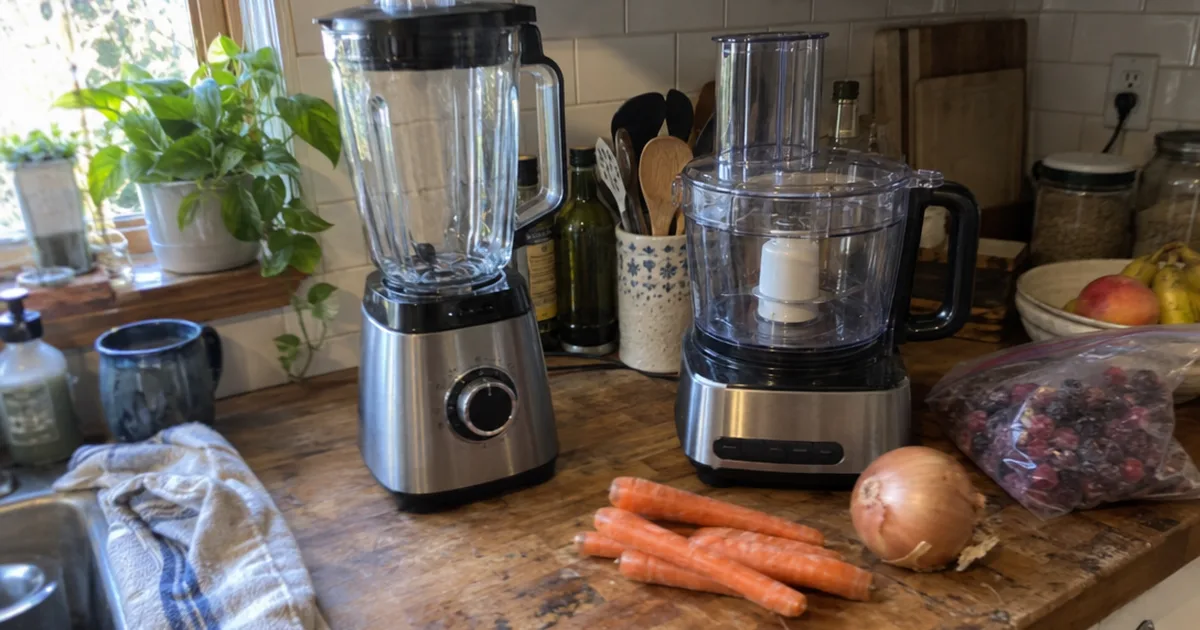
Blenders and Food Processors: What Each Does Best and Which to Buy
What blenders and food processors each do best, which one wins for soup, hummus and dough, when a 2-in-1 combo makes sense and what size to buy.
 guide
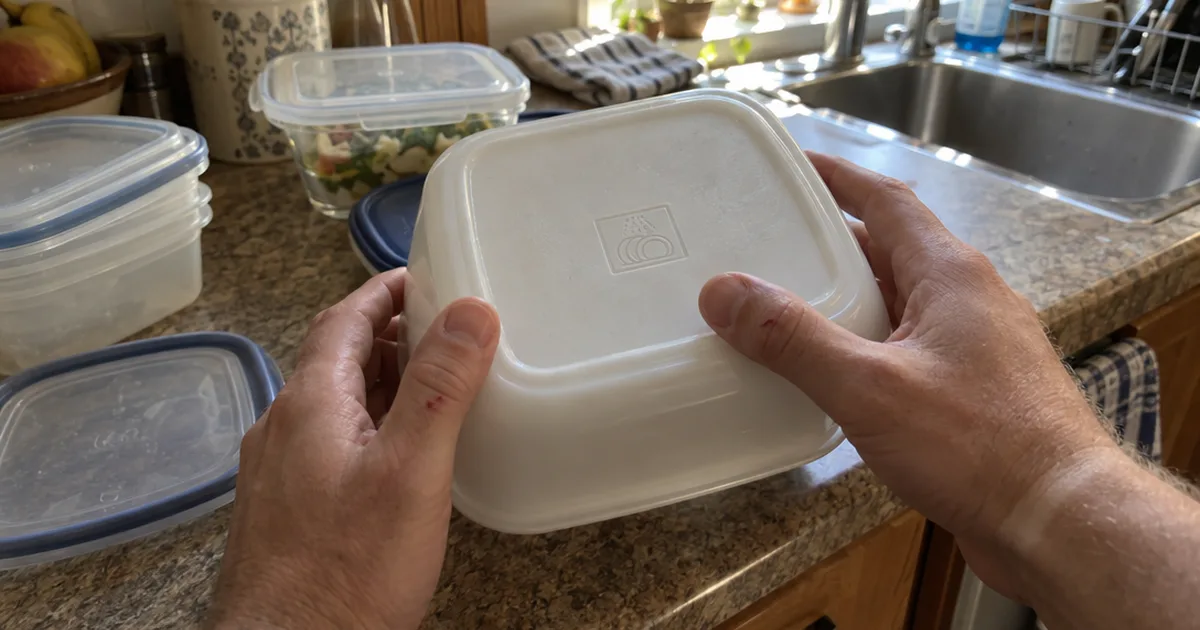
Dishwasher Safe Symbol: What It Looks Like and How to Read It
The dishwasher safe symbol shows plates or a glass under water drops or lines. Here's how to read the top rack, hand wash and look-alike symbols on your dishes.
 guide
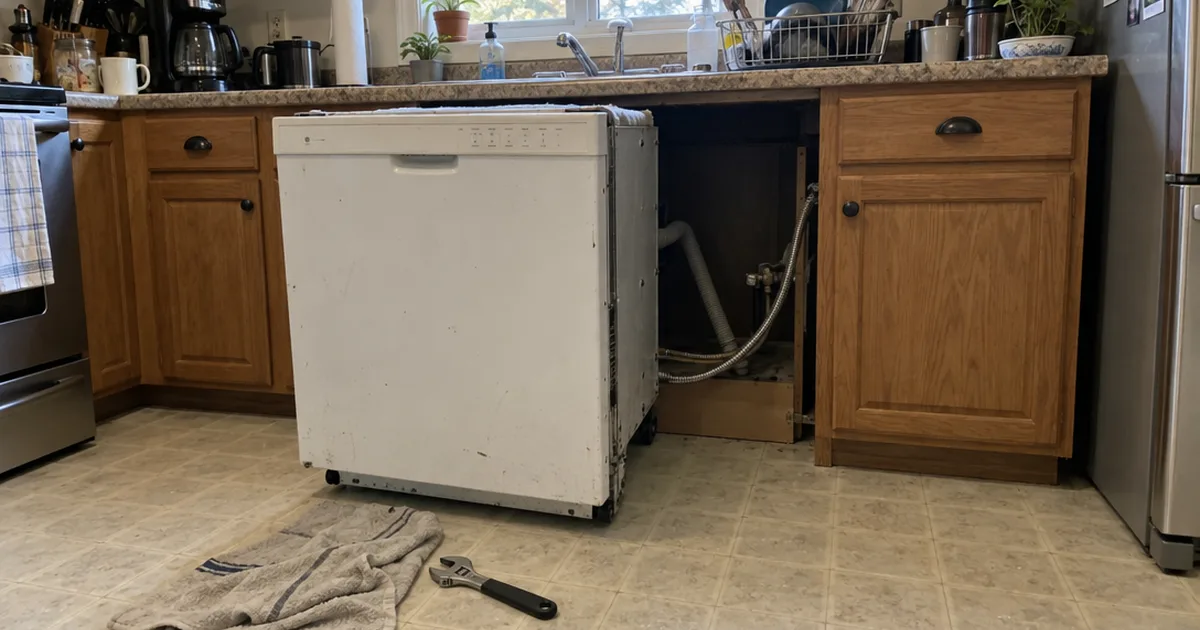
Dishwasher Replacement Cost, Line by Line (Labor Is the Small Part)
Labor on a dishwasher swap is only $200 to $250. See what the unit, haul-away and hookup fixes add, and how to keep the total near $1,100.
 listicle
Types of Microwaves: 11 Kinds, Where Each One Fits and Who It Suits
The 11 types of microwaves a home cook can buy, sorted by where they install and how they cook, with who each one suits and what to check first.
 guide
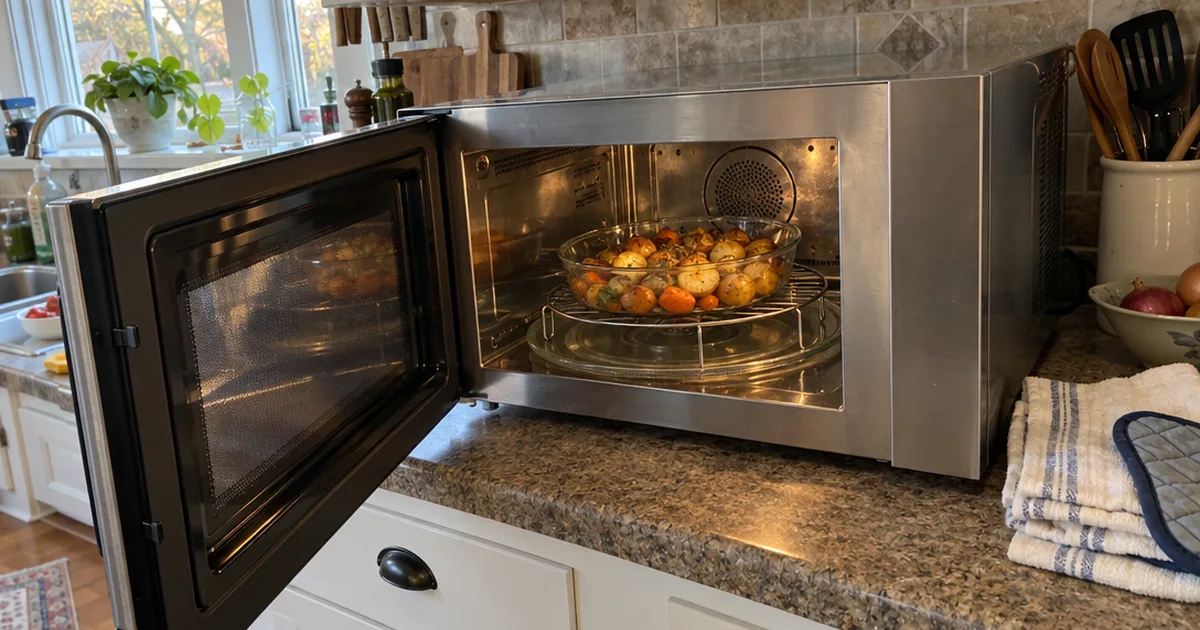
What Is a Convection Microwave Oven? How It Works and Who It Suits
A convection microwave oven adds a heating element and fan to a microwave, so it bakes and roasts at up to 450°F. Here's how it works and who it suits.
 guide
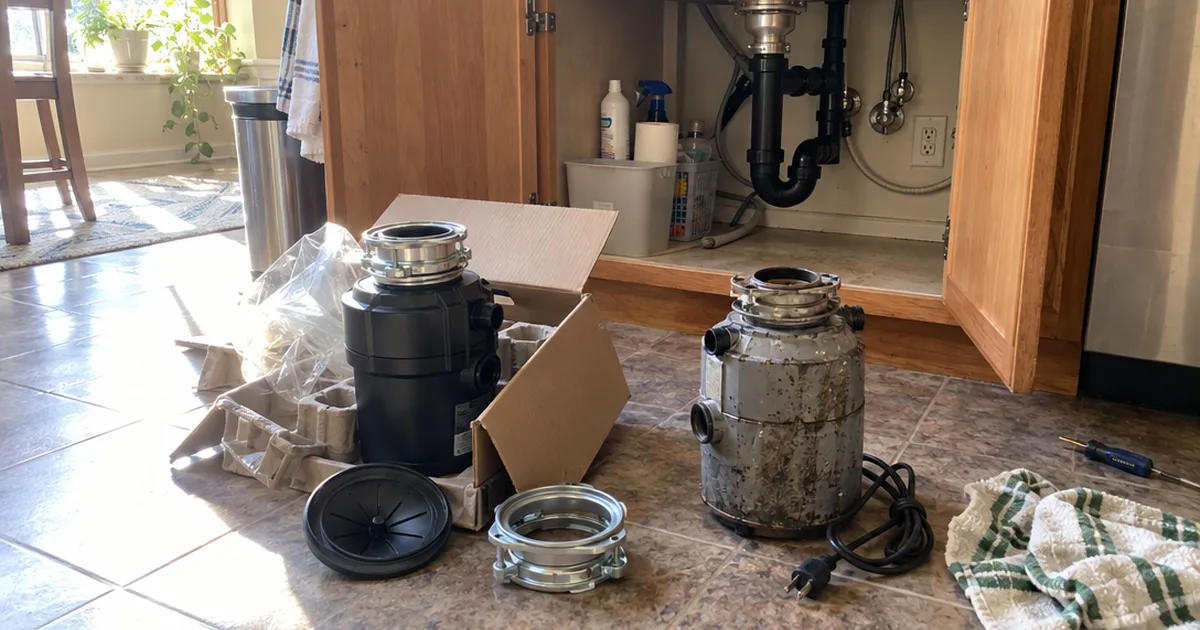
Garbage Disposal Installation Cost and the Hour You Pay For Twice
Garbage disposal installation cost averages $493 to $578 nationally as of May 2026. See what a basic install covers, what raises it and how to get a fair quote.
 how to
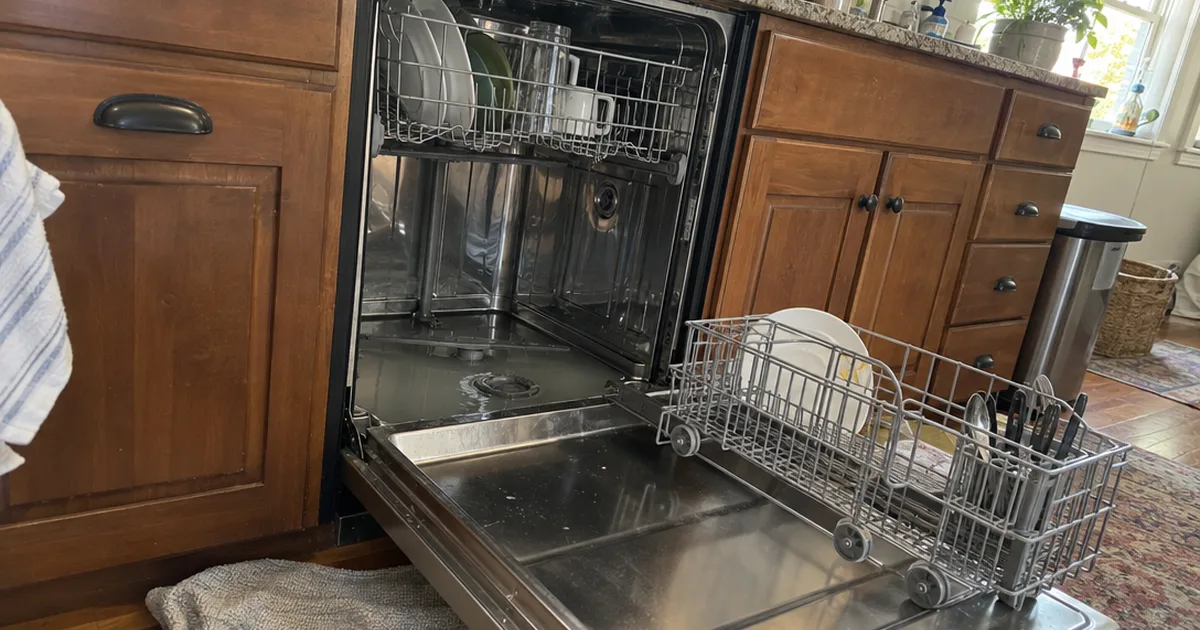
Dishwasher Troubleshooting: 8 Checks Before You Call for Repair
Dishwasher troubleshooting in 8 checks, from the breaker and door latch to Control Lock, a power reset, the filter, the water supply and a humming pump.
 how to
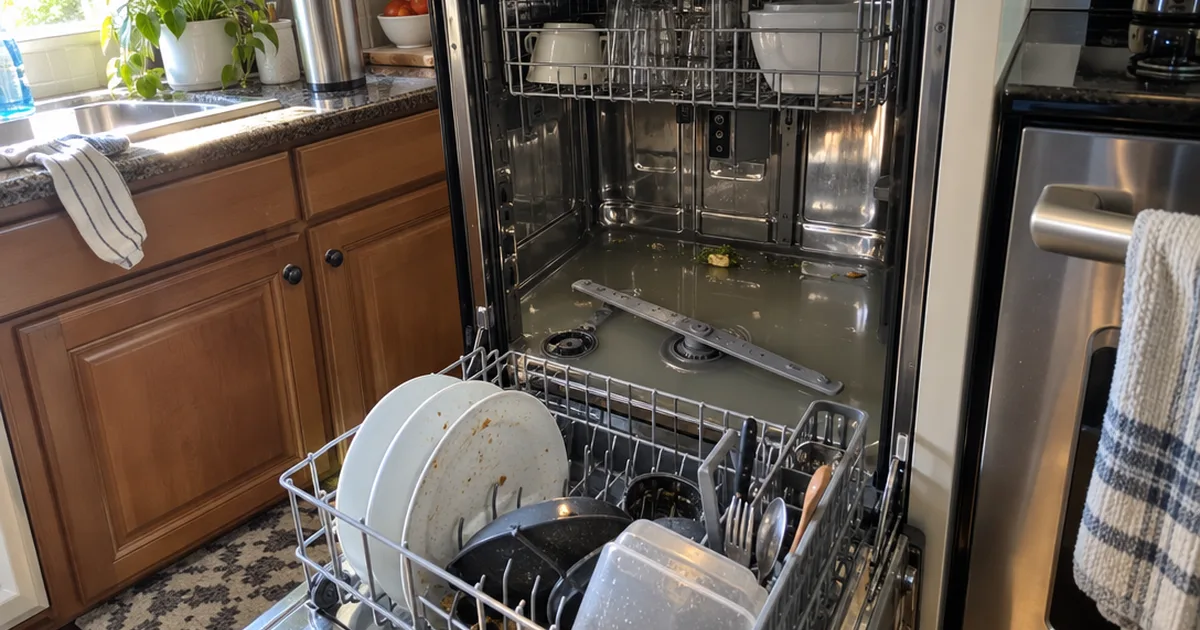
GE Dishwasher Not Draining? How to Find the Clog and Fix It in 8 Steps
A GE dishwasher not draining usually has a blockage you can clear yourself. Here's what water level is normal, the 8 checks in order and when to call for service.
 guide
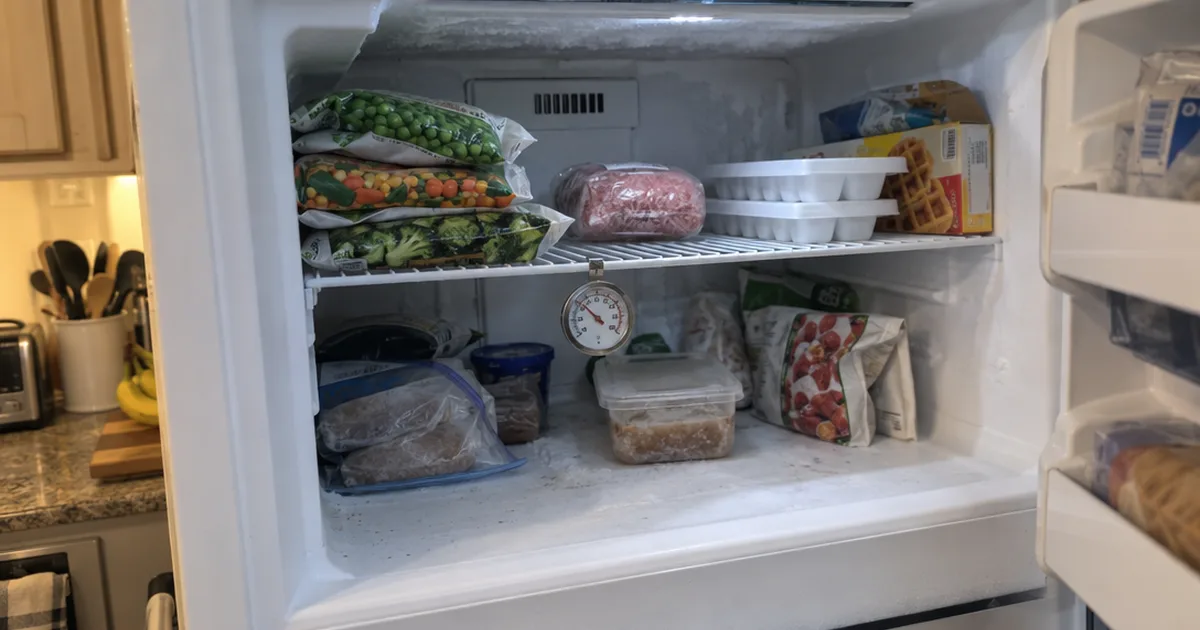
Freezer Temperature: The Right Setting and How to Check Yours
The right freezer temperature is 0°F (-18°C) or colder. Here's how to check yours with a thermometer, read the dial and fix a freezer that runs too warm or cold.
 roundup
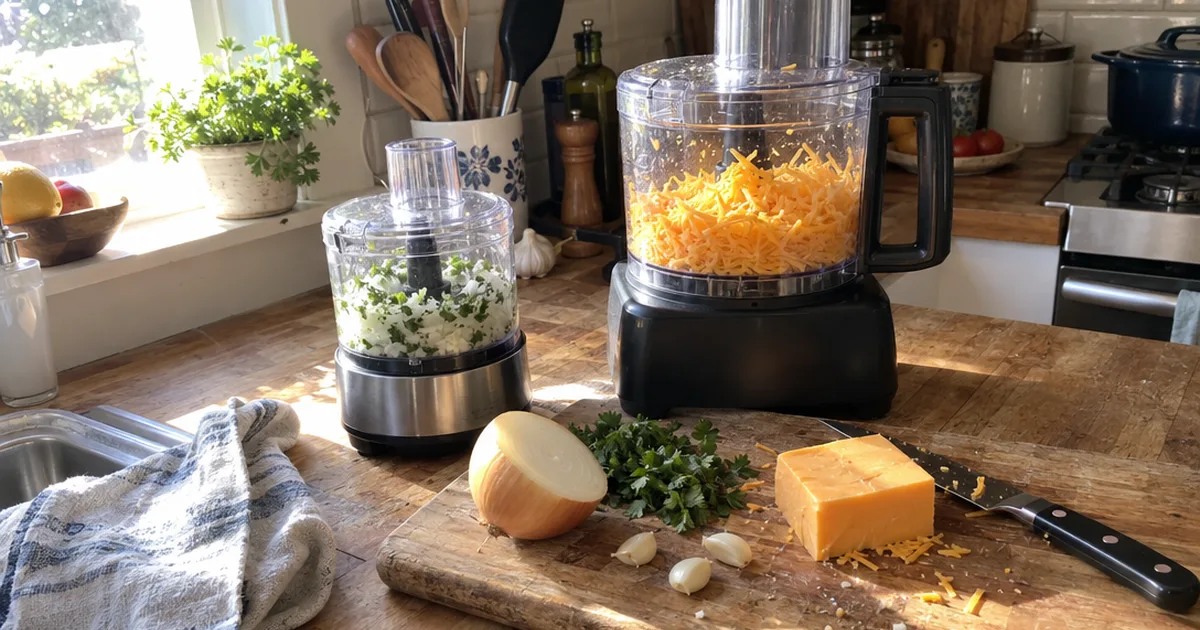
5 Best Food Processors Under $50, From Mini Choppers to 10 Cups
Compare 5 budget food processors, from a 1.5-cup chopper to a 10-cup machine with a slicing disc, and find the right bowl size for the way you cook.
 listicle
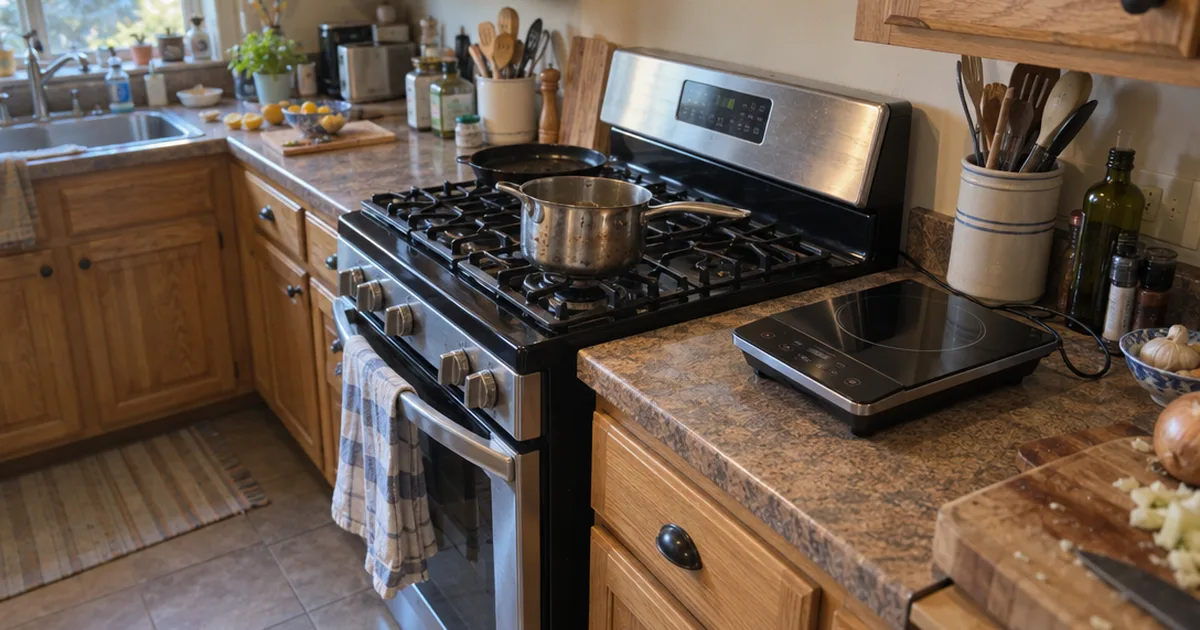
Types of Stoves: 10 Kinds and the Hookup Each One Needs
The 10 types of stoves a home cook can buy, grouped by how they make heat and how they install, with who each one suits and the hookup it needs.