
Not one of 86 gas ranges earned Excellent in the Consumer Reports high-heat tests.
Nearly half of the 72 electric smoothtops did.
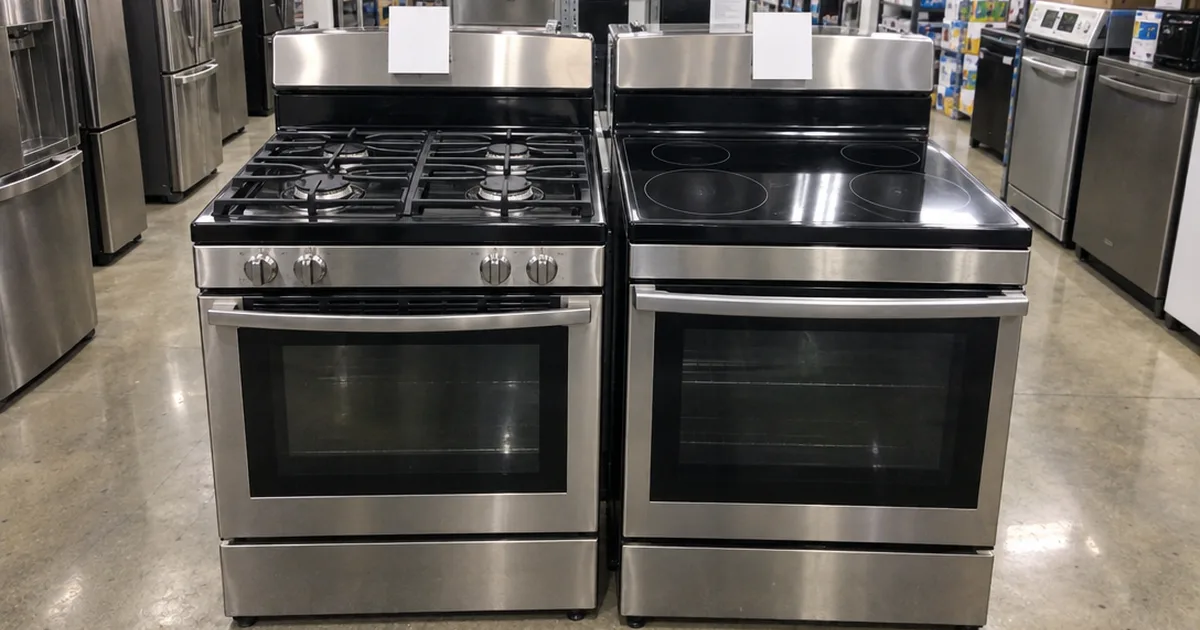
Here’s how a gas vs electric stove really compares on cooking, running cost, safety, installation and lifespan, and which one fits your kitchen.
Already have a gas line and cook in a wok most nights? Gas is worth keeping.
No gas service on your street means electric, and that’s a good stove, not a compromise.
Kids with asthma or a small kitchen with weak ventilation both point toward electric.
Gas vs Electric Stove at a Glance
Here’s how the two fuels compare on the things you’ll notice every day, from the first boil to the last wipe-down:
| Category | Gas Stove | Electric Stove | Winner |
|---|---|---|---|
| High heat (boiling) | No model rated Excellent | Nearly half rated Excellent | Electric |
| Low heat (simmering) | 12 of 86 rated Fair or Poor | None rated Fair or Poor | Electric |
| Baking | Narrow edge | Close behind | Gas |
| Broiling | About 15% Very Good or better | Over half Very Good or better | Electric |
| Heat response | Instant, visible heat | Slow to heat and cool | Gas |
| Indoor air | Combustion gases | No combustion | Electric |
| Power outage | Burners often light by hand | Won't work | Gas |
| Cleaning | Grates and burner caps | Flat glass top | Electric |
| Hookup | Gas line plus a plug | Heavy-duty range outlet | Depends on home |
| Overall | Best for wok and sear cooks | Best for most homes | Electric |
The test rows come from Consumer Reports lab ratings, and they’re the part most people get wrong.
What Is a Gas Stove?
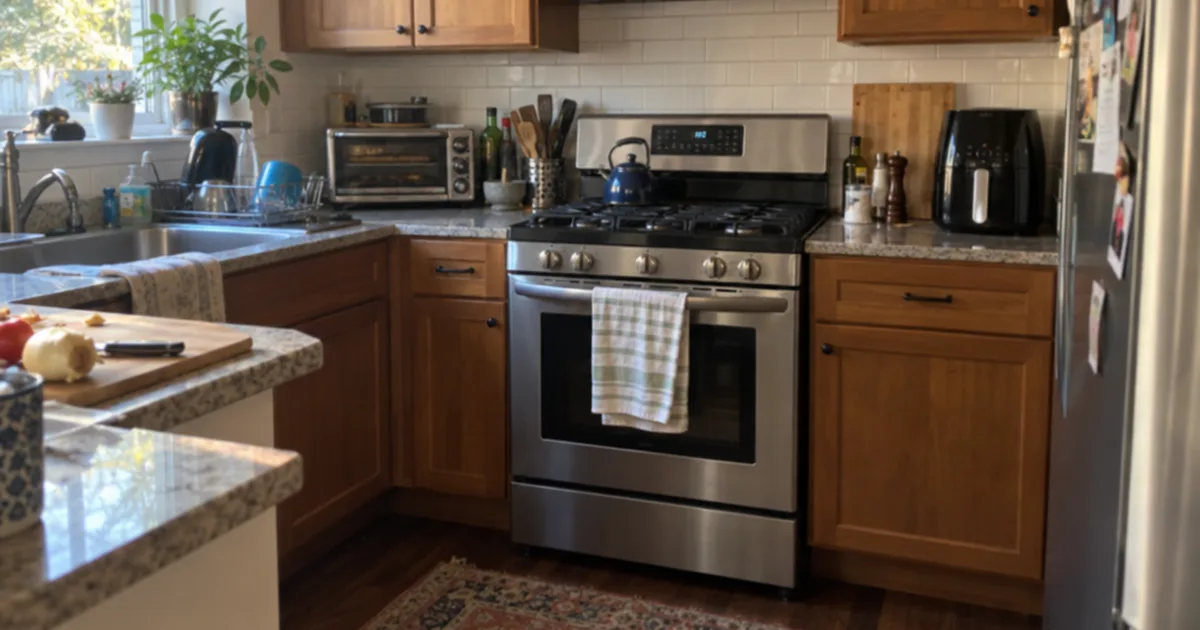
A gas stove is a range that burns natural gas or propane in open burners on the cooktop and in a burner inside the oven. You turn a knob, an electric igniter clicks, and a flame heats the pan directly.
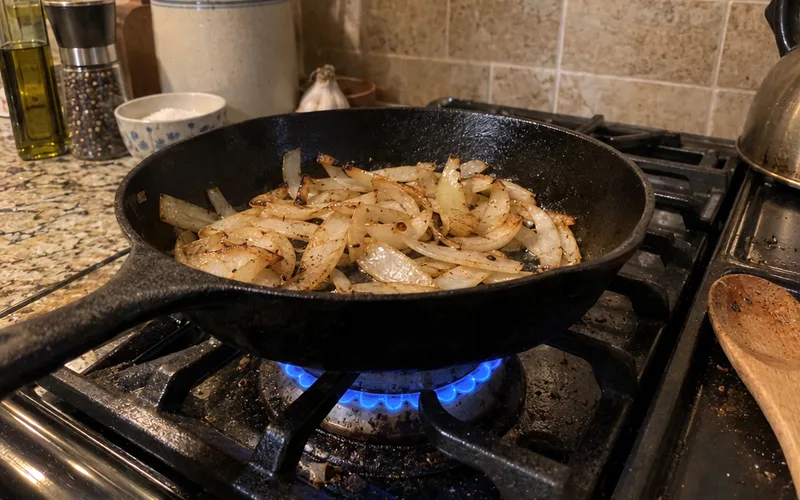
You can see exactly how much heat you’re getting, and it changes the instant you turn the knob. That visible, instant temperature control is why many cooks who sear, char peppers or use a round-bottom wok still prefer gas.
But a gas stove also needs a gas line to the kitchen, which not every home has. So before you shop for gas, check behind your current range for a gas pipe and shutoff valve.
What Is an Electric Stove?
An electric stove is a range that heats metal elements with electricity, either exposed coils or radiant elements under a smooth glass-ceramic top. The element heats up, then passes that heat into your pots and pans.
Smoothtops are what you’ll mostly see in stores, since Consumer Reports says coil-top and induction ranges have “a much smaller slice of the market.”
Induction cooking is electric too, but it works differently, so it gets its own section below.
The tradeoff with standard electric is slower temperature control. An electric element takes a while to heat up and a while to cool down, so a pot keeps cooking for a bit after you turn the dial down.
Picking an electric range? The best electric glass top stove roundup and electric range brands comparison narrow it down by model.
Which Cooks Better, Gas or Electric?
Electric smoothtop ranges cook better than gas in most Consumer Reports lab tests, winning high heat, low heat and broiling, while gas narrowly wins baking. Consumer Reports compared the gas and electric smoothtop ranges in its ratings, in an article updated December 4, 2022.
Simmering is the test that matters most day to day. In the CR low-heat tests, 12 of the 86 gas ranges it rated earned Fair or Poor, which means scorched sauces and seized chocolate.
Fuel isn’t the whole story, though. Tara Casaregola, who runs the CR range lab, says: “We see the greatest discrepancies between individual models, and you can find excellent choices in gas or electric.”
In other words, a top-rated gas range beats a poorly rated electric one, so compare ratings within the fuel you have.
Which Boils Water Faster?
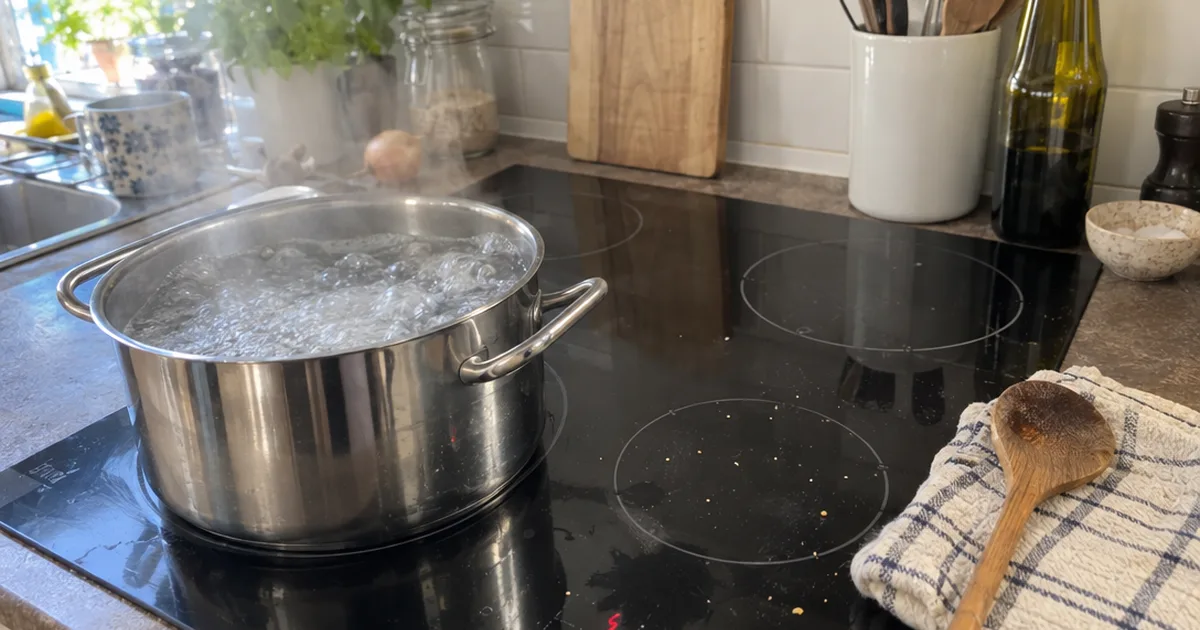
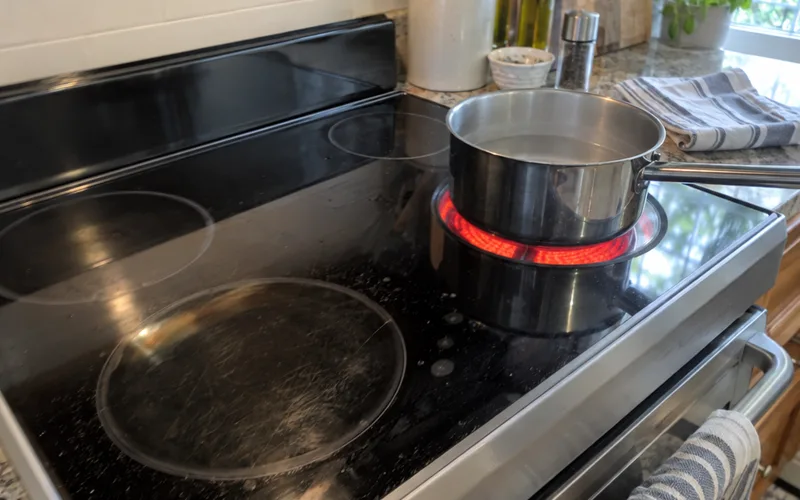
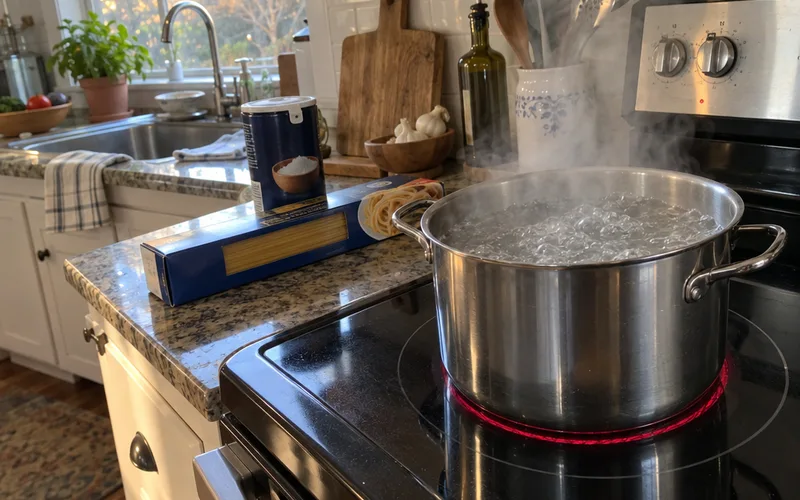
An electric smoothtop usually boils water faster than a gas stove. Asked which is faster at high heat, Consumer Reports said “Electric, by a pretty big margin,” since no gas range in its ratings earned Excellent.
That flips what most people assume, because gas looks faster the moment it lights.
Which Is Better for Baking?
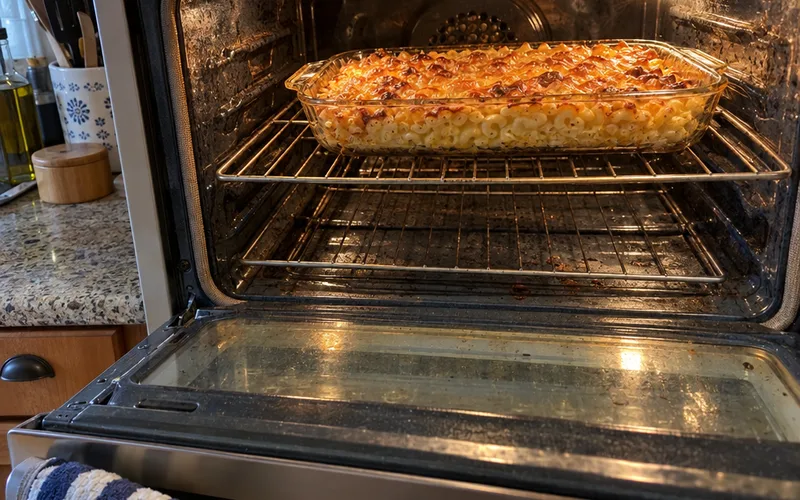
A gas oven is slightly better for baking than an electric oven, but the gap is small: Consumer Reports called it “close, with gas narrowly getting the edge.” So if you bake cakes and cookies, either fuel can do the job.
Broiling is where the ovens really split.
In the CR broiling tests, around 15 percent of gas ranges earned Very Good or Excellent, and nearly 30 percent earned Fair or Poor. If you broil steaks or melt cheese on casseroles often, electric is the safer bet.
Is It Cheaper to Cook With Gas or Electric?
Neither gas nor electric is always cheaper to cook with, because the cost depends on your local gas and electricity rates. EnergySage bill data shows US home electricity alone runs from 11 to 38 cents per kWh, more than a 3x spread.
An electric burner is the more energy-efficient of the 2, since gas spills heat around the sides of the pan. Whether that lowers your cost still comes down to your rates.
Here’s how to get your own answer in 5 minutes:
- Find the price per kWh on your electric bill.
- Find the price per therm on your natural gas bill.
- Note any fixed monthly gas service charge, since you pay it whether you cook or not.
The bigger number is usually the upfront one. If your kitchen has no gas line, running one adds a plumber’s or gas technician’s bill before you cook a single meal.
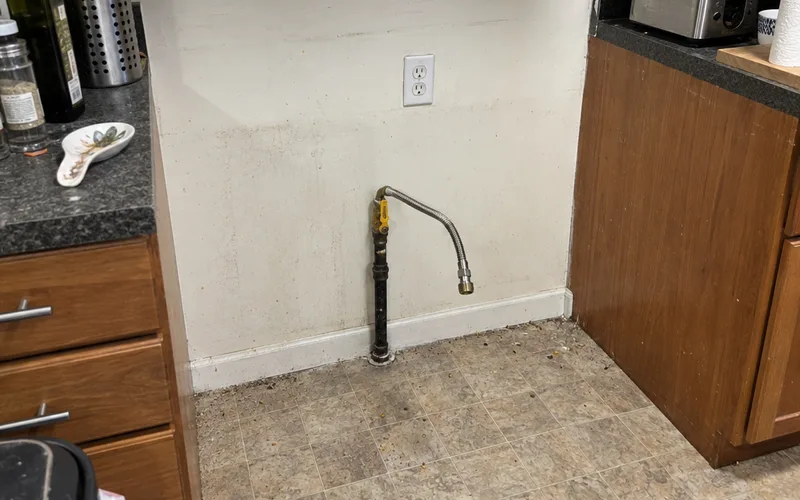
For most households on a budget, the hookup you already have saves more money than any difference in running cost.
Is an Electric Stove Safer Than Gas?
An electric stove is generally safer than a gas stove, because it has no open flame, no gas to leak and no combustion fumes. Electric still has a hot surface that stays hot after you turn it off, so burns and grease fires are possible with either.
Gas adds 2 risks of its own: an open flame that can catch a towel or sleeve, and a natural gas leak if a burner is left on unlit.
If you ever smell gas, leave the house first and call your gas utility from outside.
Do Gas Stoves Affect Indoor Air Quality?
Yes, gas stoves affect indoor air quality, because burning gas releases nitrogen dioxide and carbon monoxide into your home along with the heat. How much reaches your lungs depends on how long you cook and how well your kitchen is ventilated.
That’s the main reason families with asthma lean electric.
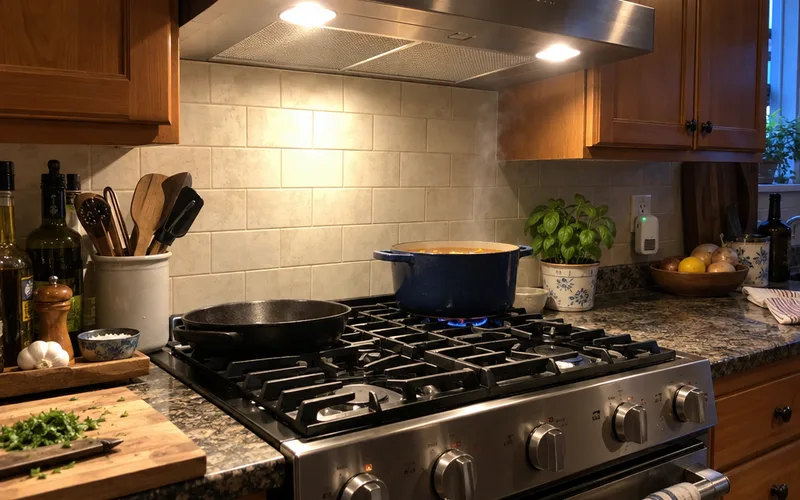
If you keep gas, run a range hood that vents outside every time you cook, not one that just recirculates air. A ducted under-cabinet range hood does that job, and a carbon monoxide alarm near the stove is cheap insurance.
Electric ovens are a different story, as this look at whether an electric oven makes carbon monoxide explains.
Do Electric Stoves Need a Special Outlet?
Yes, a full-size electric stove needs a special outlet: a heavy-duty range outlet on its own high-voltage circuit, not the regular wall plug a toaster uses. A gas stove only needs an ordinary outlet for its igniters, clock and lights.
A large 3- or 4-slot receptacle behind your current range means you’re already wired for electric.
Note: The exact circuit your range needs is printed in its installation guide, so match that to your outlet before you buy.
Can You Convert a Gas Stove to Electric?
Yes, you can convert a gas stove to electric, but you replace the stove rather than convert it, and your kitchen needs a heavy-duty range circuit first. A licensed electrician adds the circuit, and a gas technician shuts off and caps the old gas line.
Older homes sometimes need a panel upgrade too, so get that quote before you buy the new range.
Cleaning, Lifespan and Power Outages
Gas and electric stoves split the everyday stuff: electric is easier to clean, and gas burners keep working in a power outage. Neither one clearly lasts longer.
Cleaning goes to electric. A flat glass top wipes clean in a minute, while gas means lifting grates and burner caps and scrubbing around the igniters.
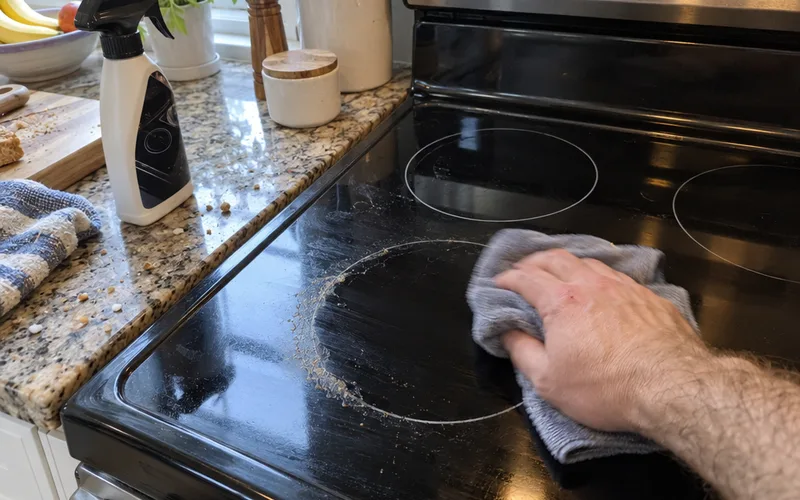
The catch? Sugary spills can bake onto glass for good, and a cracked top is a real bill, as this look at glass stove top replacement cost shows.
Do Gas or Electric Stoves Last Longer?
Gas and electric stoves have no clear lifespan winner, so the fuel alone won’t tell you which range lasts longer. What fails is usually a part: igniters and valves on gas, elements, switches and control boards on electric.
When a gas oven quits early, it’s often a single igniter, which this gas oven not heating guide walks through.
Does a Gas Stove Work During a Power Outage?
Yes, a gas stove’s burners usually work in a power outage if you light them by hand with a long match, but most gas ovens won’t run. Check your owner’s manual first, because some newer models block manual lighting for safety.
An electric stove simply stops until the power comes back, and if your area loses power often, that can decide it.
Is Induction Better Than Gas or Electric?
Induction is a third option rather than a clear winner: it’s an electric cooktop that uses a magnetic field to heat the pan itself, with no fire and no hot burner. The catch is that it only works with magnetic cookware, such as cast iron or magnetic stainless steel.
If gas vs electric is close for you, read the induction vs electric vs gas breakdown next. There’s also a head-to-head of induction vs gas and one on induction vs standard electric.
Who Should Choose a Gas Stove
A gas stove is the right choice if:
- Your kitchen already has a gas line and shutoff valve
- You sear, stir-fry in a wok or char peppers right on the burner
- Your area loses power often
- You’ll run a vented range hood every time you cook
Who Should Choose an Electric Stove
An electric stove is the right choice if:
- Your home has no gas service, like about half of US homes
- You want the best boiling, simmering and broiling for the money
- Someone in your home has asthma, or your kitchen is poorly ventilated
- You’re replacing an electric range and want an easy swap
Still deciding? These types of stoves show every option side by side.
Frequently Asked Questions
Are most stoves gas or electric?
Electric stoves are the default in much of the US, because Consumer Reports says only about half of US homes even have gas service available. Ask your utility, or look for a gas line and shutoff valve behind your current range, before you shop for gas.
What is the disadvantage of an electric stove?
An electric stove’s biggest disadvantage is slow response: its burner takes time to heat up and cool down, so you can’t drop the heat as fast as a gas flame. It also stops working in a power outage.
Are electric stoves just as good as gas stoves?
Yes, electric stoves are at least as good as gas for most cooking, and Consumer Reports lab ratings favor electric smoothtops for boiling, simmering and broiling. Gas only narrowly edges electric for baking.
Is a gas stove more expensive than an electric stove?
A gas stove usually costs more to put in when your kitchen has no gas line, because a gas technician has to run one first. Where both hookups exist, your local utility rates decide the cost difference.
Final Thoughts
For most kitchens, the gas vs electric stove question ends with electric: it wins more of the lab tests that matter, and gas earns its place only when the line is already there and you cook with flame.
This week, look behind your current range to see which hookup you have, then compare model ratings within that fuel.