
A gas line for a new stove can cost $350 or thousands.
That range, from the HomeGuide cost guide, shapes your choice more than any feature list.
Below are the 10 types of stoves, with who each suits and what to check first. Here’s a quick way in:
- Renting with no gas line: #3, #4 and #10 run on the power you have.
- Cooks who live by the flame stay happy with #1 or #5.
- An island remodel narrows things to #6 and #7.
Stove vs. Range vs. Cooktop
A stove, in everyday American use, means a range: one appliance with a cooktop on top and an oven below, while a cooktop is only the burner surface, built into a counter with no oven.
The stovetop is that burner surface on either one. If you split them, pair a cooktop with a wall oven and pick from the types of ovens for the bottom half.
The 10 Types of Stoves
The 10 types of stoves are gas, electric coil, radiant glass-top and induction, the 4 basic cooktop types, plus dual-fuel, freestanding or slide-in, downdraft, commercial-style, cast-iron heat-storage and portable models.
Most stoves belong to 2 groups at once, like a slide-in induction range, and the wider stoves and ovens family covers the rest.
1. Gas Stove
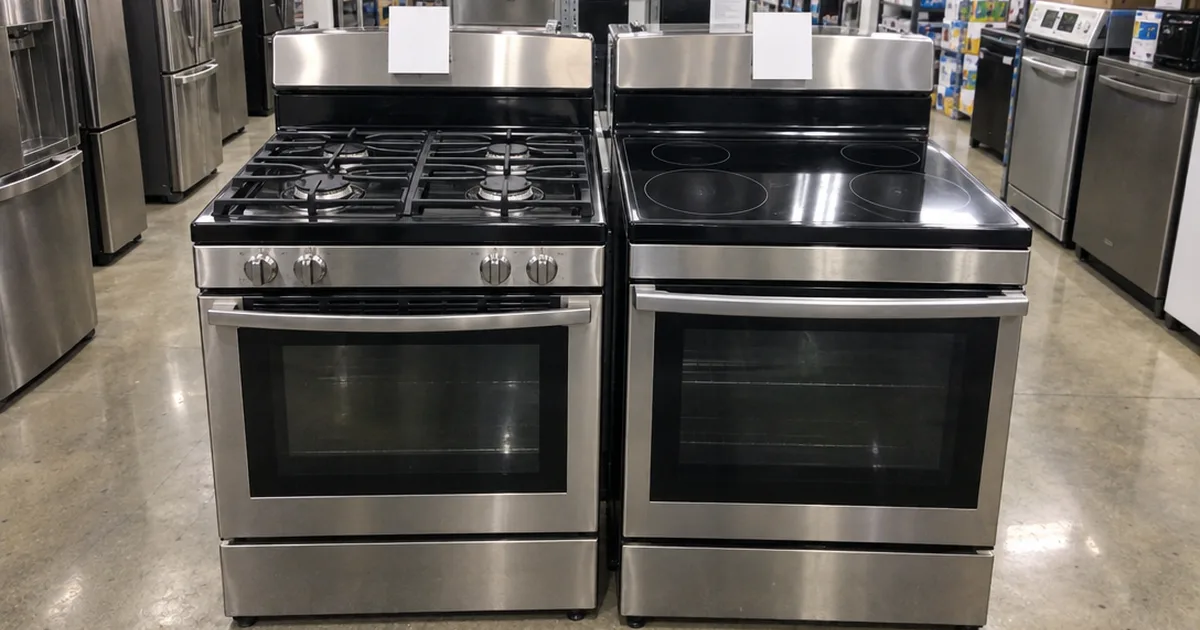
A gas stove burns natural gas or propane at each burner, so the heat changes the moment you turn the knob.
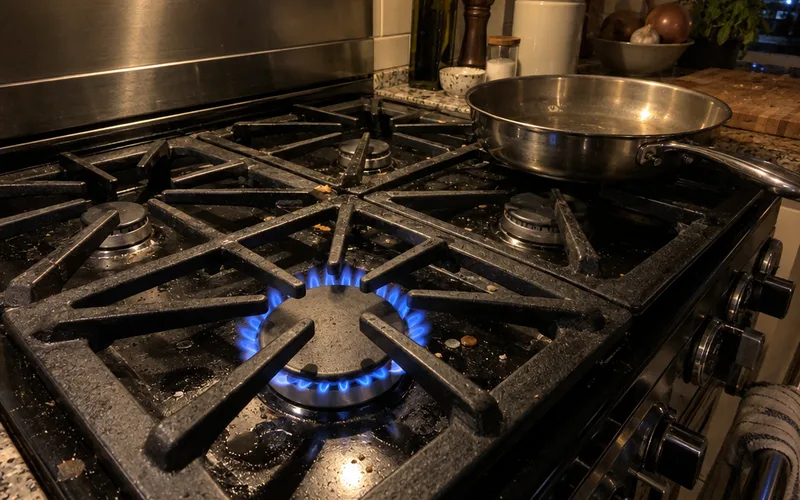
Best for: searing and wok cooking. Skip it if your home has no gas line.
First step: look behind your stove for a gas shutoff valve.
A flame heats any pot, which suits moka pot brewing too. The gas vs. electric stove breakdown goes deeper, and moka pot vs. pour-over helps if coffee is the main job.
2. Electric Coil Stove
An electric coil stove heats metal coils that sit on top of the cooktop and glow red under the pan.
Best for: tight budgets and rentals, since any flat pan works. Skip it if you hate scrubbing drip pans.
First step: compare electric range brands on parts and warranty.
3. Radiant Glass-Top Stove
A radiant glass-top stove hides electric elements under a smooth sheet of glass-ceramic that passes heat up to the pan.
Best for: wiping the whole top clean in 1 pass. Skip it if you slide cast iron around.
First step: price a glass top replacement before you commit.
Home canners should check the manual before buying a heavy pressure canner. Then shop the best glass-top stoves.
4. Induction Stove
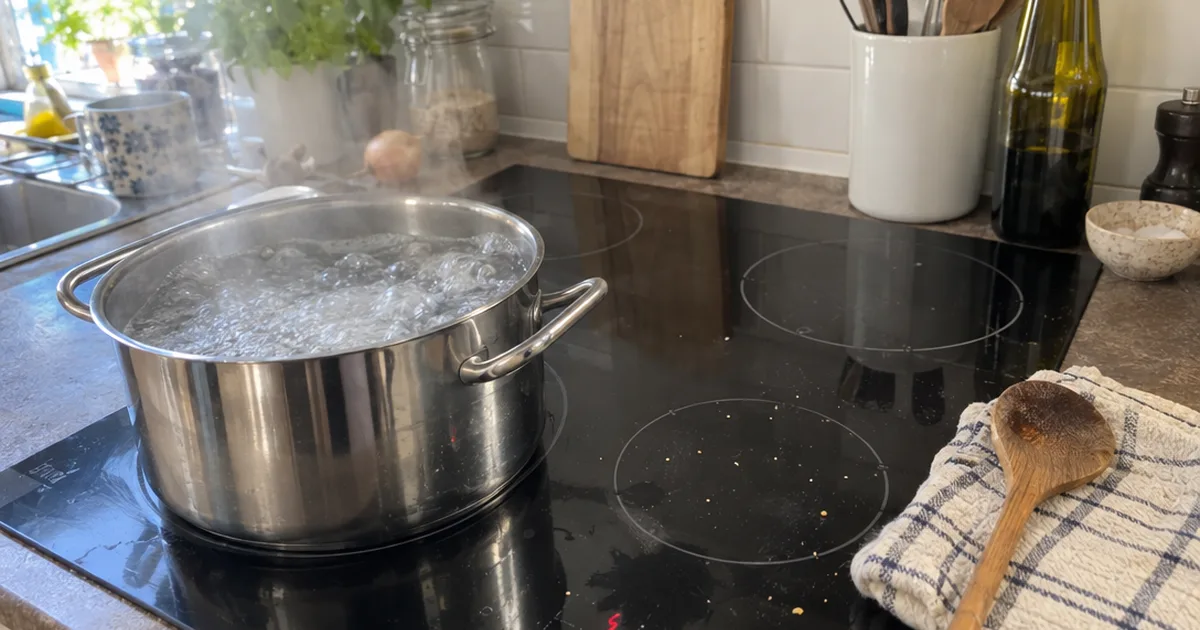
An induction stove uses a magnetic field under the glass to heat the pan itself, so the top around it stays cooler.
Best for: fast, precise cooks with magnetic pans. Skip it if your pans are aluminum or copper.
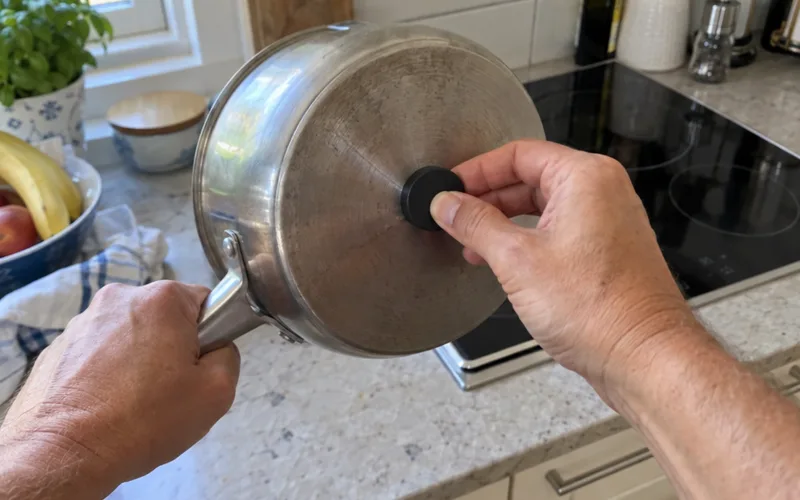
First step: hold a fridge magnet to each pan, since induction cooking only works where it sticks.
The induction cooking section covers the switch. To weigh all 3 fuels, read induction vs. electric vs. gas.
5. Dual-Fuel Range
A dual-fuel range pairs a gas cooktop with an electric oven, so you get a flame on top and steady baking heat below.
Best for: bakers who want a flame. Skip it if you have only 1 of the 2 hookups.
First step: confirm both a gas line and an electric range outlet before pricing one.
6. Freestanding or Slide-In Range
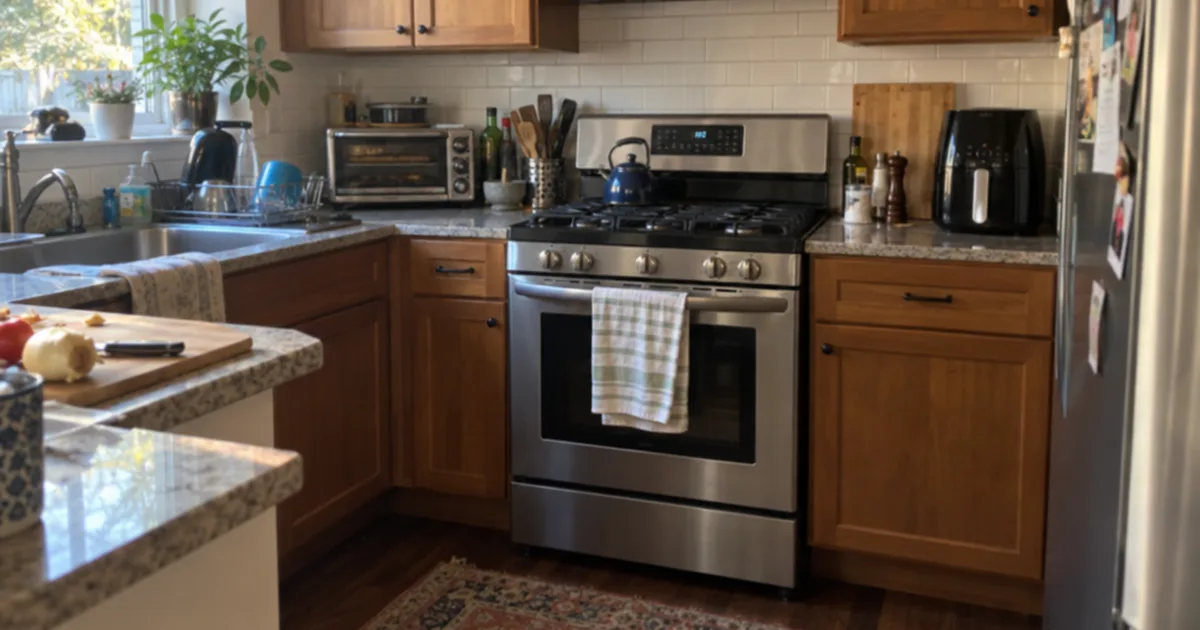
A freestanding range has finished sides and a backguard with the controls, while a slide-in range has front controls and sits flush between cabinets.
Best for: freestanding suits most replacements, and slide-in suits remodels. Skip a slide-in if one side will show.
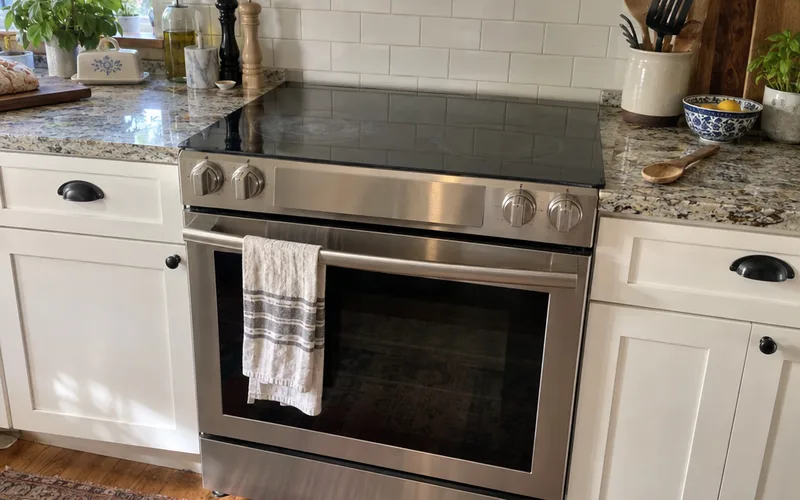
First step: measure your opening and check for a counter gap behind the old range.
7. Downdraft Range
A downdraft range has a vent in the cooktop that pulls smoke and steam down, so you can skip the overhead range hood.
Best for: islands and open kitchens. Skip it if you cook a lot of smoky food.
First step: compare kitchen exhaust fan types before giving up a hood.
8. Commercial-Style Range
A commercial-style range is a home range built like restaurant gear, with heavy grates, big knobs and stronger gas burners.
Best for: serious cooks with room for a wider unit. Skip it if your kitchen is small.
First step: make sure your hood can handle the extra heat.
9. Cast-Iron Heat-Storage Cooker
A cast-iron heat-storage cooker, such as the AGA cooker, keeps heavy iron ovens and hotplates warm and cooks from that stored heat.
Best for: big kitchens and all-day cooks. Skip it if you want quick on and off.
First step: read the maker’s running instructions first.
The AGA site says its cooker uses gentle, radiant heat to hold cooking zones at pre-set temperatures. So you cook by moving pots between hot and warm spots, not by turning dials.
10. Portable Countertop Burner
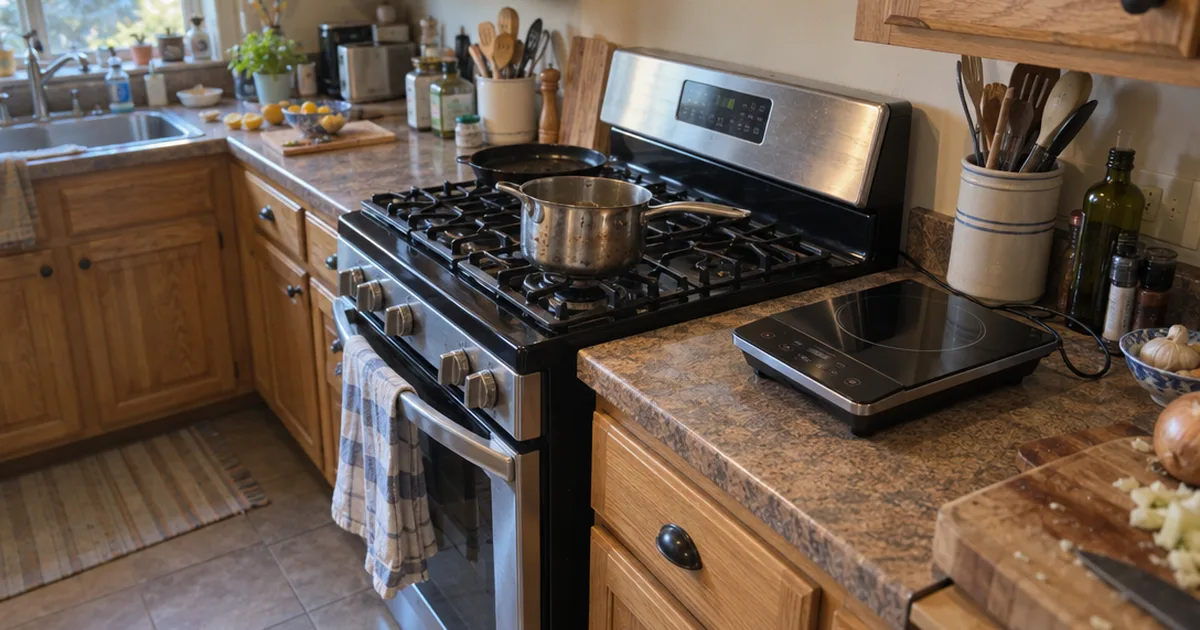
A portable countertop burner is a plug-in coil or induction plate that sits on the counter and stores in a cabinet.
Best for: dorms, studios and holiday overflow. Skip it if you need an oven.
First step: name the one job it must do.
A single-purpose plug-in often beats a burner. Try an electric griddle for pancakes, electric skillets for frying, or a waffle maker for breakfast.
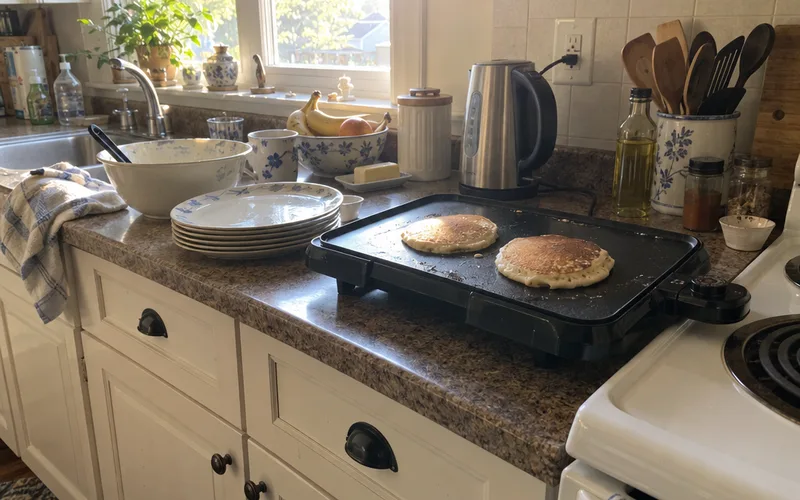
An electric kettle frees a burner for tea. Pick a glass kettle to watch the boil or a gooseneck kettle for pour-over.
How to Choose a Stove Type
Choosing a stove type comes down to 3 checks, in this order: the hookup behind your stove, the pans you already own, and how the range has to fit your cabinets.
The hookup matters most because changing it costs real money. Your pans come next, since induction rejects anything a magnet won’t grip, and the fit settles freestanding versus slide-in.
What It Costs to Add a Gas Line
Adding a gas line for a stove costs $350 to $800 to extend an existing line 10 to 30 feet, according to the HomeGuide cost guide from January 2026.
A new service line from the street runs $2,000 to $10,000 or more. Permits add $100 to $300 or more, and gas fitters charge $50 to $200 an hour.
On propane, the same guide notes many suppliers install the tank and basic line free when you sign up.
So if your home has no gas at all, an electric, radiant or induction stove is usually the cheaper path.
Frequently Asked Questions
Which is better, a gas or induction stove?
Induction is the better stove for most cooks with an electric range hookup, because it heats the pan itself and the flat top wipes clean. Gas is better if you already have a gas line or cook with a wok.
Is a glass-top radiant stove better than an electric coil stove?
A glass-top radiant stove is better if easy cleaning and a flat surface matter most to you. An electric coil stove is better if you want the lowest price, cheap burner swaps and a top you can’t crack.
Final Thoughts
Your hookup picks half your stove for you. Check what sits behind your current stove this week, gas valve or range outlet, and you’re down to 2 or 3 real options.