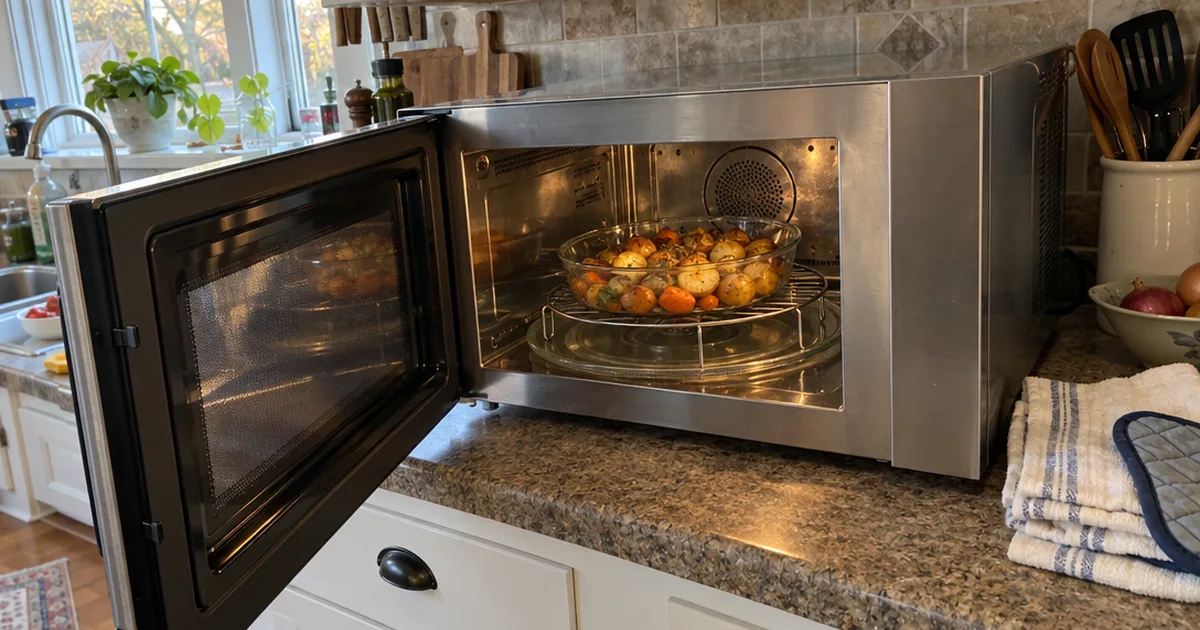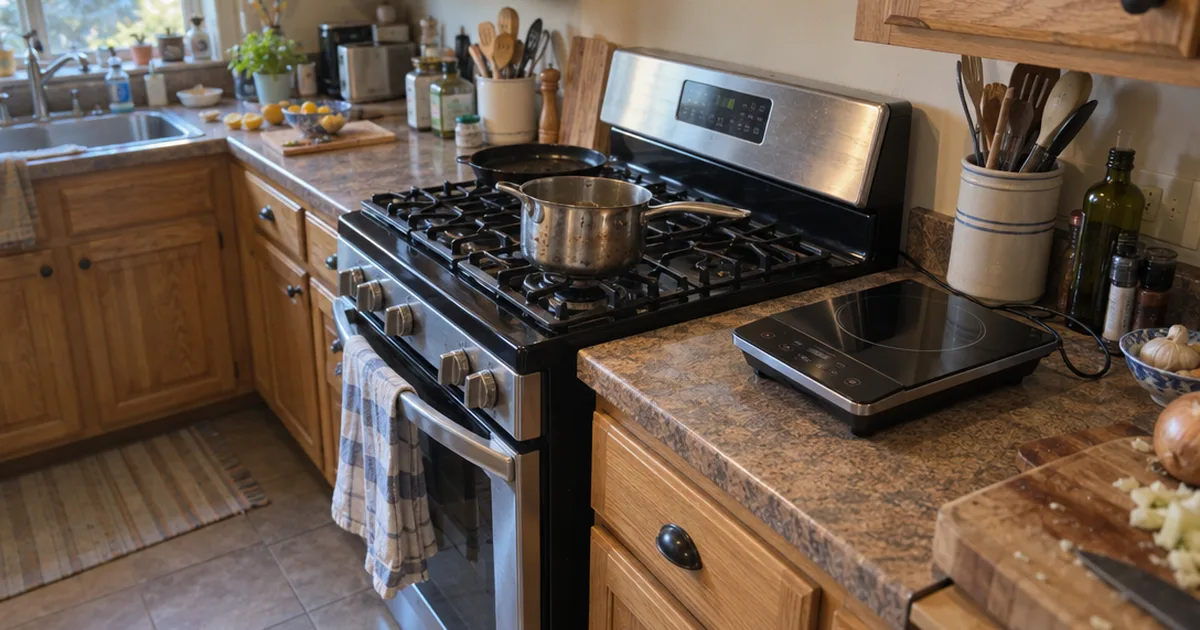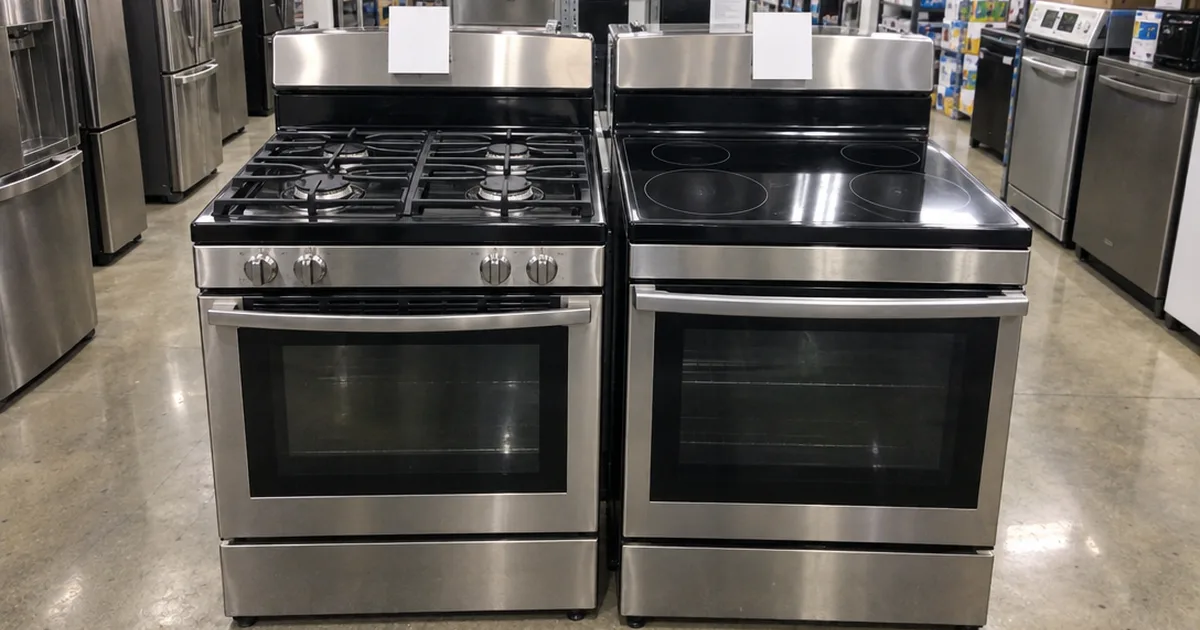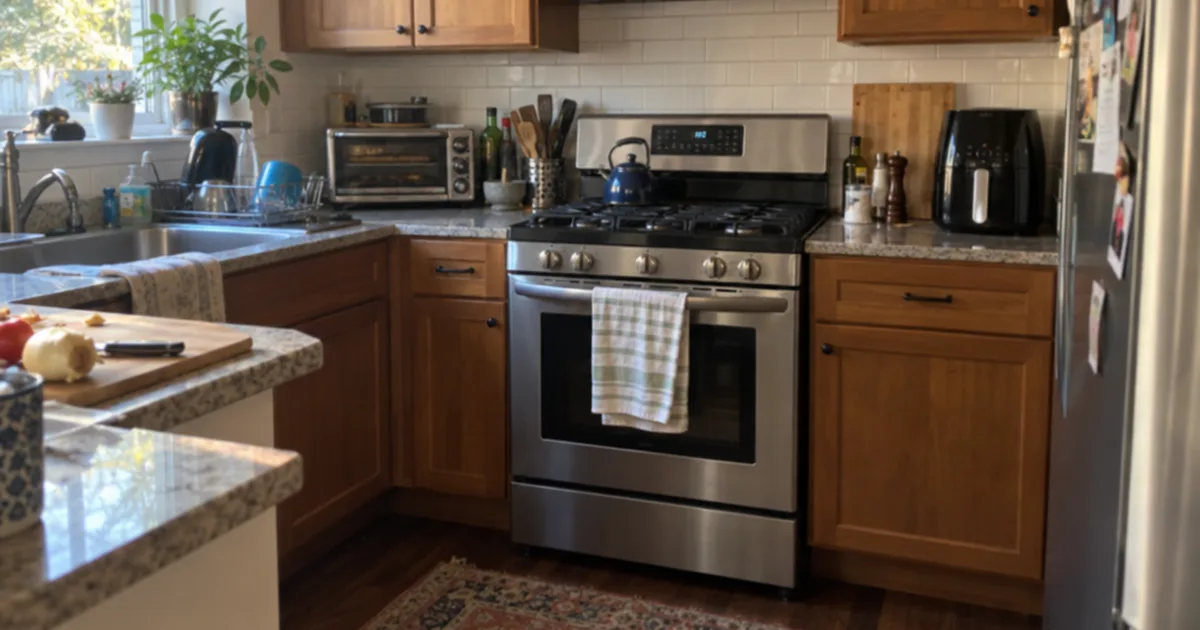

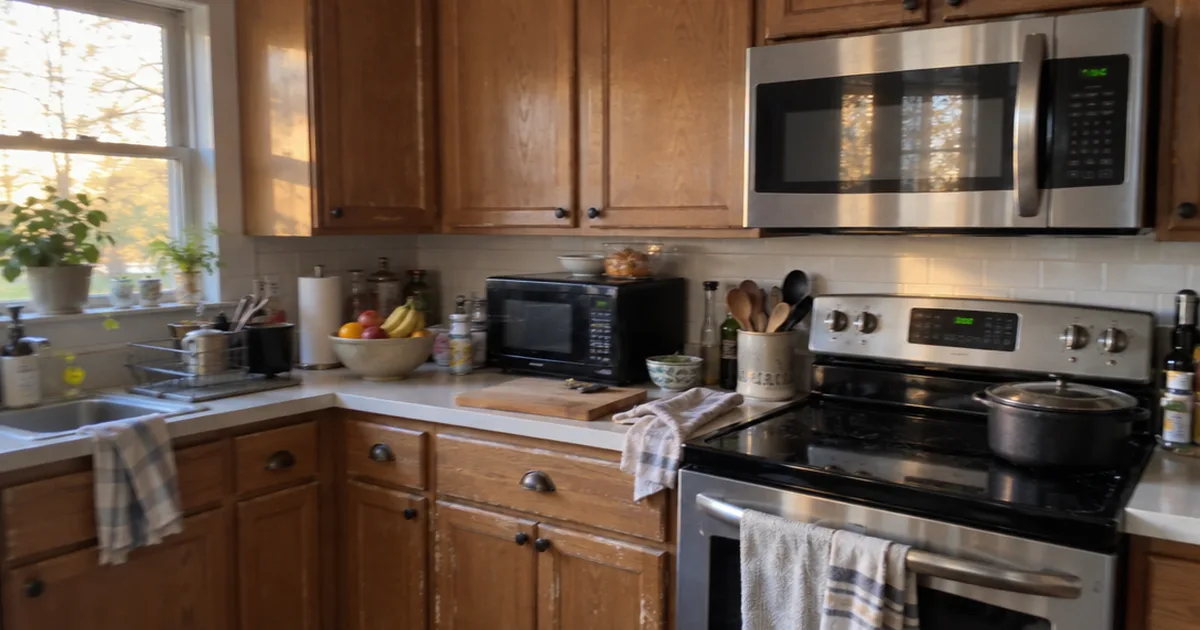
Most over-the-range microwaves Consumer Reports tested cost $400 or more.
A small countertop model in the same ratings starts around $60.
That price gap is why the types of microwaves matter before you shop.
I’ve sorted 11 types into 2 groups: where the microwave goes in your kitchen and how it heats food, each with who it suits and the first thing to check.
Here’s the fast way to use this list:
- Renters and anyone on a tight budget should start with #1.
- No counter space and a range with no hood points to #2 or #3.
- If you bake as often as you reheat, go to #9.
- A remodel with an island opens the door to #5.
How Microwave Types Are Counted
The 3 main types of microwaves are countertop, over-the-range and built-in when you sort by installation, or solo, grill and convection when you sort by cooking method. One microwave belongs to both groups at once, which is why some lists say there are 3 types and others say 8.
For example, a countertop convection microwave is type #1 and type #9 at the same time.
So when a sales page says “3 main types,” check which split it means.
If it names solo, grill and convection, it’s talking about cooking method. If it names countertop, over-the-range and built-in, it’s talking about where the microwave goes.
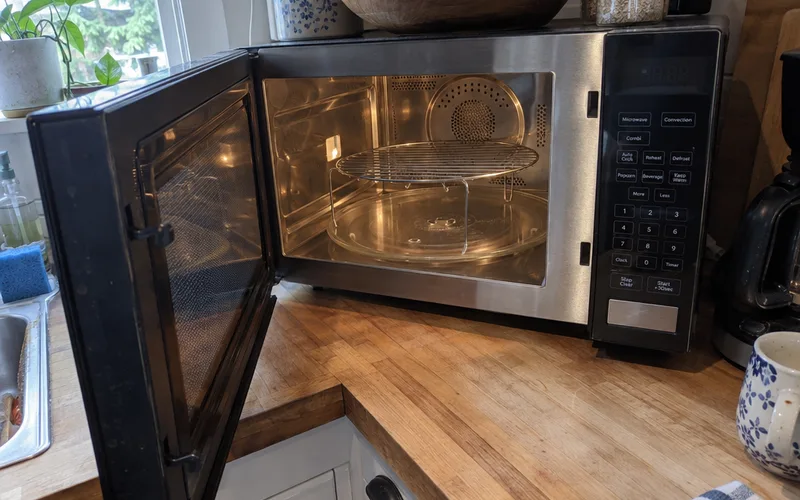
Pick the installation type first, because your kitchen decides it, then pick the cooking method that fits how you cook.
The 11 Types of Microwaves
The 11 types of microwaves are countertop, over-the-range, low-profile over-the-range, built-in, drawer and wall oven combination models, which describe where they go, plus solo, grill, convection, inverter and smart models, which describe how they cook.
1. Countertop Microwave
A countertop microwave sits on the counter and plugs into an outlet, with no installation at all.
It’s the type most people own, and it’s the easiest to replace when it dies.
Best for: renters, small budgets and anyone who wants a microwave working today. Skip it if your counter is already crowded.
Cost: about $60 for a small model and just under $100 to $500 for a midsized one, according to Consumer Reports ratings as of May 2025.
First step: find an outlet the microwave can have to itself.
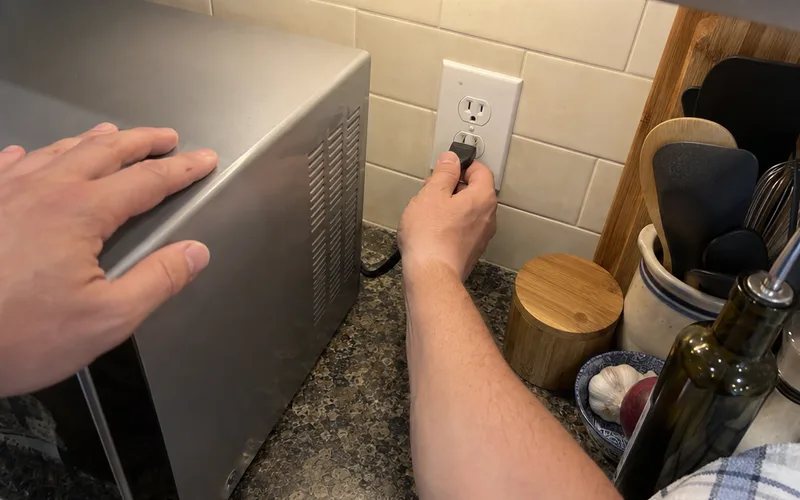
That outlet matters more than most people think. The same buying guide says an ordinary outlet works, but one shared with other appliances might trip your circuit breaker.
Compare countertop models by usable space, and look at compact microwaves if the counter is tight.
2. Over-the-Range Microwave
An over-the-range (OTR) microwave mounts above your stove and doubles as a vent fan and cooktop light.
It frees up the counter and tends to give you more room inside, because it’s built as wide as the range below it.
Best for: small kitchens with no range hood. Skip it if a short cook in your house would have to reach overhead for hot soup.
Cost: some under $200, but most OTR models in those ratings cost $400 or more as of May 2025.
First step: measure the gap between your cabinets and check whether there’s a duct above the range.
Here’s the catch. The fan on an OTR doesn’t clear cooking gases as well as a real range hood, and the same guide warns that installation might need an electrician.

Shop over-the-range picks only after you know the width and whether you’ll vent outside.
3. Low-Profile Over-the-Range Microwave
A low-profile OTR microwave is a slimmer over-the-range model built for a shorter gap between the cooktop and the cabinet above it.
It gives you more headroom over the burners and makes tall stockpots easier to stir.
Best for: kitchens where a standard OTR would hang too low over the stove. Skip it if you need lots of space inside, since a slimmer box holds less.
First step: measure from the cooktop to the bottom of the upper cabinet, then compare that number with each model’s installation guide.
Low-profile models still vent and light the cooktop like #2. So the venting caveat above applies here too.
4. Built-In Microwave
A built-in microwave sits inside a cabinet or wall opening, framed so it looks flush with the cabinetry around it.
That flush frame often comes from a trim kit, which is a metal surround that closes the gaps and directs airflow.
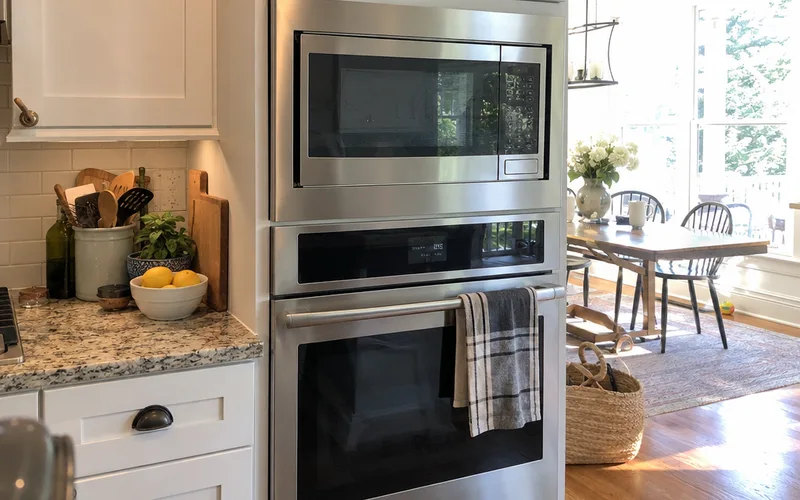
Best for: remodels and kitchens where the counter needs to stay clear. Skip it if you rent or plan to swap microwaves often.
First step: check the model’s installation guide for its cutout size before you build or buy anything.
So is a built-in microwave different from a countertop microwave with a trim kit? Some are true built-ins made only for cabinets, but the testers note that some countertop models take kits that give you a built-in look for less.
Only the countertop models the maker approves for a trim kit can go in a cabinet, so match the kit to the exact model number.
Compare built-in options side by side once you know the cutout.
5. Microwave Drawer
A microwave drawer is a built-in microwave installed below the counter, usually in a lower cabinet or an island, that slides open like a drawer so you load food from the top.
You lower a dish straight down instead of lifting it out at face height.

Best for: island kitchens, wheelchair users and families with kids who heat their own snacks. Skip it if you’re replacing a microwave in an existing kitchen without a cabinet rebuild.
First step: pick the lower cabinet it will replace and confirm there’s power behind it.
Here’s what that looks like in practice:
- You slide it open instead of swinging a door.
- You stir and check food from above, without reaching in.
- You give up a lower cabinet for the space it takes.
In other words, a drawer is a layout choice made during a remodel, not a quick swap.
6. Wall Oven and Microwave Combo
A wall oven and microwave combo is one built-in unit with a microwave on top and a full oven below, installed in a tall cabinet.
It puts both appliances at a comfortable height and in one footprint.
Best for: remodels and cooks who already want a wall oven. Skip it if you’re working with a standard range opening.
First step: measure the tall cabinet opening and compare it with the cutout size in the combo installation guide.
7. Solo Microwave
A solo microwave uses microwave energy only, so it heats, reheats, defrosts and cooks but can’t brown or crisp food.
A basic countertop model is usually a solo microwave.
Best for: reheating leftovers, steaming vegetables and defrosting meat. Skip it if you want crispy edges or a golden top.
First step: read the wattage on the label inside the door, because that number decides how fast a solo model cooks.
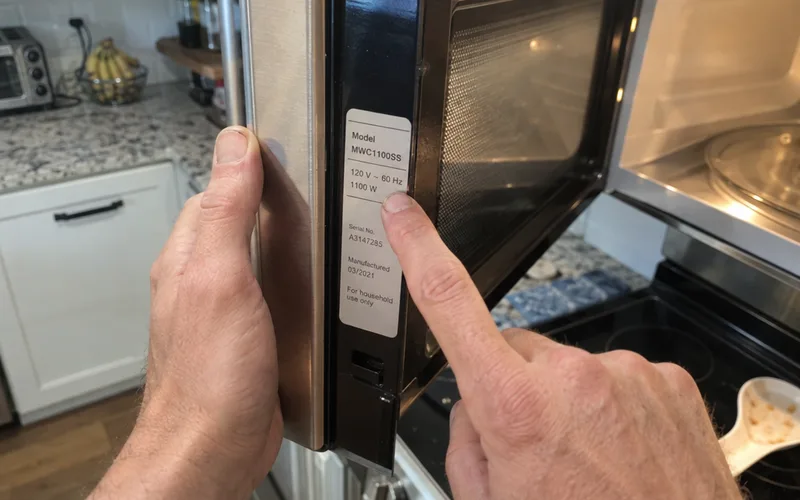
Inside, a part called a magnetron makes the microwaves that heat the water in food. Every type on this list uses one, which is why the container rules stay the same whichever type you buy.
8. Grill Microwave
A grill microwave adds a heating element at the top of the cavity, so it can brown and crisp the surface of food after the microwaves heat it through.
Think melted cheese on a casserole or toasted tops on garlic bread.
Best for: small kitchens with no toaster or broiler. Skip it if you want deep browning, because the element only reaches the top of the food.
First step: check the inside height with the grill rack in place, so your usual plates and mugs still fit.
That said, don’t expect real grill results. In the same lab tests, none of the grilling or browning models consistently matched a traditional grill or oven.
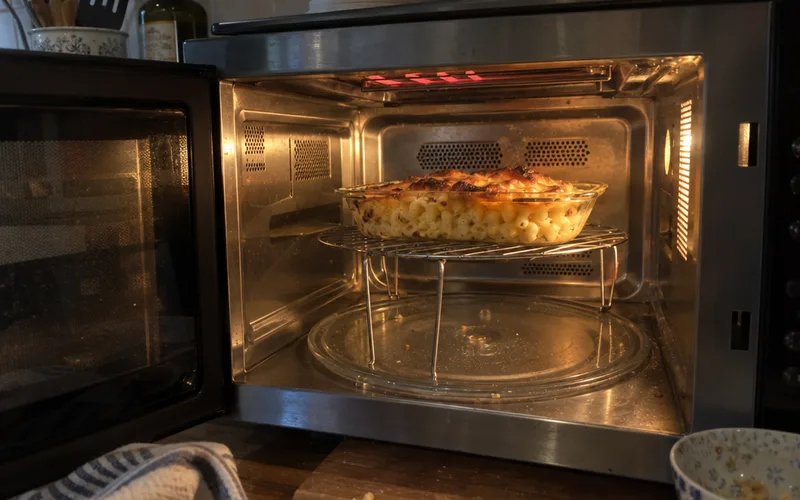
If browning is the goal, a toaster oven may do it better, and the toaster oven and microwave trade-offs are worth a look first.
9. Convection Microwave
A convection microwave adds a heating element and a fan to a regular microwave, so it can bake and roast with hot moving air as well as heat food with microwaves.
That makes it a small convection oven that sits where your microwave already goes.
Best for: small households, apartments and anyone who wants a second oven for the holidays. Skip it if you only reheat.
First step: learn how a convection microwave works and which cookware it allows in each mode.
Many convection models also have an air-fry setting that uses the same fan to crisp food. That setting is close to what a countertop air fryer does, and how an air fryer compares is worth knowing before you pay for both.
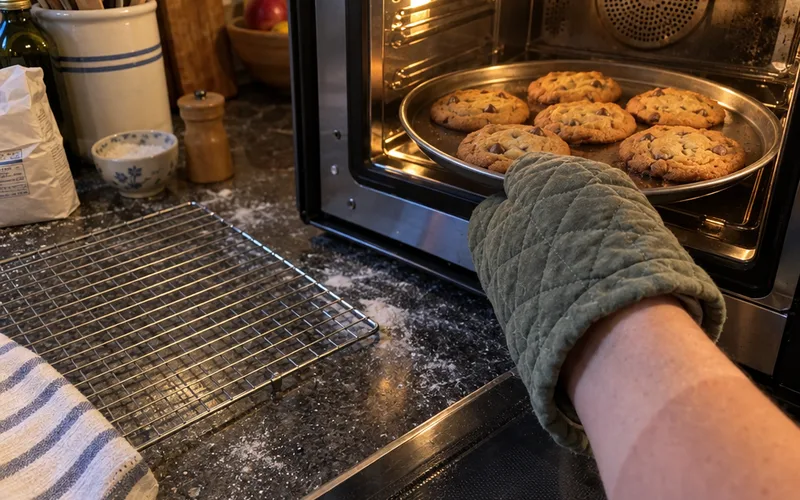
Combination or “combi” microwaves usually put convection and a grill in one box.
10. Inverter Microwave
An inverter microwave holds a steady lower power level when you pick 50% power, while a standard microwave runs at full power and switches off and on to average out to 50%.
That steadier power is the whole difference, and it shows up mostly at low settings.
Best for: defrosting, softening butter and reheating delicate foods. Skip it if you mostly heat drinks and frozen meals on high.
First step: look for the word “inverter” in the model name or spec sheet, since it’s a feature inside the box, not a style you can see.
At full power, an inverter model and a standard model both run flat out. So pay extra for an inverter only if you use low power often.
11. Smart Microwave
A smart microwave connects to Wi-Fi so you can start, stop or monitor it from a phone app or a voice assistant.
Best for: cooks who already run their kitchen from an app. Skip it if you’d never open the app after the first week.
First step: check which app and voice assistant the model works with before you buy.
Smart features change how you control a microwave, not how well it cooks, so judge the wattage and size first.
Countertop vs. Over-the-Range: Which Should You Buy?
A countertop microwave costs less and needs no installation, while an over-the-range microwave saves counter space and adds a vent fan but usually costs $400 or more in Consumer Reports testing as of May 2025. For most kitchens, that price gap decides it.
Here’s how the 2 types split in plain terms:
- Price: small countertop models start around $60, and most tested OTRs run $400 or more.
- Setup: a countertop model plugs in, while an OTR mounts to the wall and cabinet and might need an electrician.
- Space: a countertop model uses counter, while an OTR uses the spot where a range hood would go.
- Venting: only the OTR has a fan, and it clears cooking gases less well than a range hood.
So the OTR earns its price when your counter is small and there’s no hood over the range.
If you already have a good range hood, keep it and buy a countertop model. You’ll save money and keep better ventilation.
Here’s an example.
Say you rent a galley kitchen with no hood and 3 feet of counter. An OTR frees that counter, but your landlord has to approve the mounting.
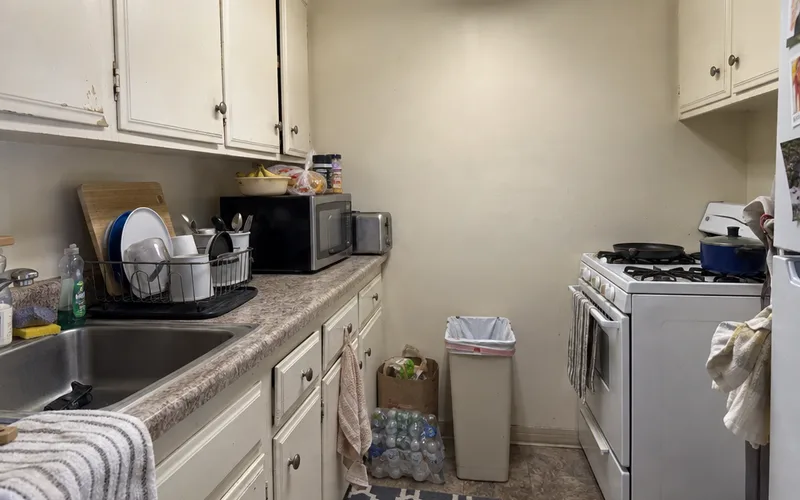
Here’s what to send: “The microwave takes up most of our counter. Can I have an over-the-range microwave installed above the stove if I pay for the unit?”
Run the numbers before you decide. In this hypothetical, a $60 small countertop model and a $400 OTR are $340 apart before any electrician shows up.
Key Takeaway: A countertop microwave wins on price and setup, and an OTR wins only on space.
Solo vs. Convection Microwave: Is the Upgrade Worth It?
A solo microwave only heats and defrosts with microwaves, while a convection microwave adds a fan and heating element so it can also bake and roast. The upgrade is worth it only if you’ll use it as a second oven, not a replacement for your main one.
Why not a replacement? In Consumer Reports lab tests, none of the convection, grill or browning models consistently gave the results of a traditional oven.
That doesn’t make convection useless.
It’s handy for a small batch of cookies when the big oven is full or for roasting a few vegetables without heating the whole kitchen. The solo and convection microwave breakdown covers what each one cooks well.
If you’re weighing a convection microwave against a toaster oven, the deciding question is counter space. A convection microwave puts both jobs in one box, and whether it can replace a toaster oven depends on how often you bake.
So start with a solo model if you mostly reheat, and step up to convection only when you’d use the oven mode every week.
Which Type of Microwave Is Best for Home Use?
A countertop solo microwave is the best type for most homes, because it needs no installation, fits on any counter with an outlet and starts around $60 in Consumer Reports ratings as of May 2025. Choose another type only when your kitchen layout or cooking habits rule it out.
Here’s a simple way to decide:
- Check your counter. If there’s room, start with a countertop model.
- Look above your range. If there’s no hood and no counter room, an OTR fits that spot.
- Think about the remodel. Built-ins, drawers and combos make sense only when cabinets are changing anyway.
- Pick the cooking method. Solo for reheating, convection if you’d bake in it weekly.
If what you really want is hands-off rice or stew, a microwave isn’t the right tool. A multicooker with a rice setting does that job without you checking on it.
For the bigger picture of every appliance that cooks, see how microwaves fit with ranges and wall ovens in stoves and ovens.
What Size and Wattage Should a Microwave Have?
A microwave should have 1,050 to 1,250 watts, the power range of the models Consumer Reports recommends, and enough usable space for your largest plate. Every microwave in those tests had at least 700 watts.
Higher wattage means faster and more even heating.
So a microwave under 1,000 watts will take longer on the same frozen dinner than the models the testers recommend.
Size is trickier. Consumer Reports measured usable capacity at about 50 percent of what manufacturers claim.
So don’t trust the cubic-feet number alone.
Say a box claims 2.0 cubic feet. At about half that, you’d really have room for something closer to 1 cubic foot of food, which is the difference between a dinner plate fitting and not.
Here’s how to check fit in a few minutes:
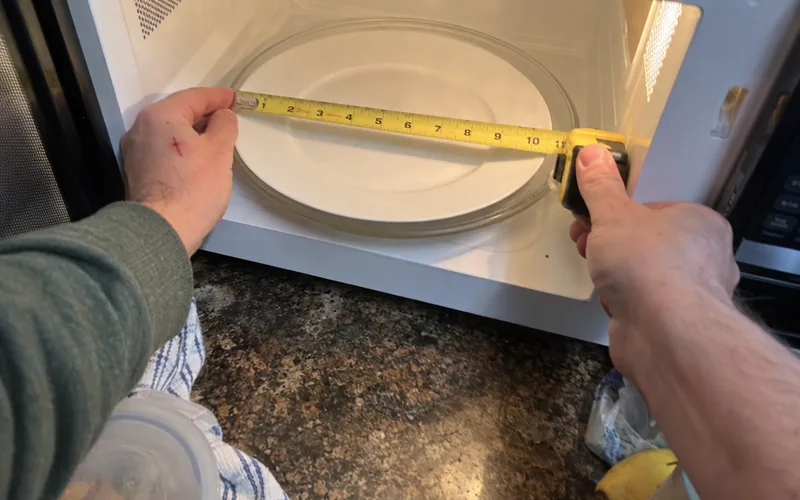
- Measure your largest dinner plate and casserole dish.
- Compare them with the turntable size on the spec sheet.
- Measure the space where the microwave will go, including the height under any upper cabinet.
Buy for the dish you use most, not the capacity on the box.
How Long Will a New Microwave Last?
A microwave used properly shouldn’t need replacing more than once every 10 years, according to Consumer Reports. That holds for every type on this list, from a $60 countertop model to a built-in combo.
What changes is the cost of a failure.
A countertop model that dies is a quick swap. A built-in, drawer or OTR model means removing it from a cabinet or wall, which can mean a second visit from an installer.
So the more built-in the type, the more it pays to check why it stopped heating before you replace it.
Frequently Asked Questions
What are the three main types of microwaves?
The three main types of microwaves by cooking method are solo, grill and convection microwaves, while the three main types by installation are countertop, over-the-range and built-in. Most stores sort by installation, so start there and pick the cooking method second.
What type of microwave is better?
A countertop microwave is the better type for most kitchens, because it needs no installation and costs the least, with small models from about $60 in Consumer Reports ratings as of May 2025. Pick an over-the-range model only if you’re short on counter space and don’t already have a strong range hood.
What is the healthiest type of microwave?
No type of microwave is healthier than another, because countertop, over-the-range, drawer and convection models all heat food with the same microwave energy. What you heat food in matters more, so use containers marked microwave-safe and keep the door and its seal in good shape.
How much does an over-the-range microwave cost?
Most over-the-range microwaves Consumer Reports tested cost $400 or more as of May 2025, though some sell for under $200. Budget for an electrician too, since installation might need one.
Does a countertop microwave need its own outlet?
A countertop microwave works on an ordinary outlet, but Consumer Reports advises using one dedicated to the microwave because a shared outlet might trip your circuit breaker. If the breaker trips when the microwave and toaster run together, move one of them to another circuit.
How do microwaves work?
Microwaves work by sending microwave energy from a part called a magnetron into the cooking box, where it makes the water in food heat up. Grill and convection models add a heating element for browning, but the microwave part works the same in every type.
What are some uses for a microwave oven?
A microwave oven reheats leftovers, defrosts frozen meat, steams vegetables and melts butter or chocolate in a few minutes. Convection models can also bake and roast, so a small kitchen can use one as a second oven.
Do over-the-range microwaves vent outside?
Some over-the-range microwaves can vent outside and others only recirculate air through a filter, so check the installation guide for a ducted option before you buy. Even a vented model clears cooking gases less well than a real range hood, Consumer Reports found.
Final Thoughts
For most kitchens, a countertop microwave with 1,050 to 1,250 watts is the right type. Measure your space and check the outlet this week, then shop only the type that fits it.