
A cup of water and 1 minute can tell you if a mug is safe to microwave.
That’s a dish test straight from an appliance maker’s support page. It catches metal hiding in a glaze that you’d never spot by eye.
Here’s what is microwave safe, what isn’t, and how to check the dishes and containers already in your cabinet.
You’ll also see why a 5 on the bottom of a tub isn’t the green light many people think it is.
What Does Microwave Safe Mean?
Microwave safe means a dish, container or wrap was tested to withstand heat without breaking down or moving substances into your food. That’s how Chemical Safety Facts, a site run by the American Chemistry Council industry group, described the label in July 2025.
The same site reports that the FDA reviews every new food-contact material before it’s allowed on the market. So a microwave-safe mark is the maker telling you the item passed for that use.
The label covers the container, not your food.
Whether heating cuts nutrients in milk, changes the nutrients in eggs or affects breast milk nutrients is a separate question. So is whether a microwave kills bacteria in chicken.
How Do You Know If Something Is Microwave Safe?
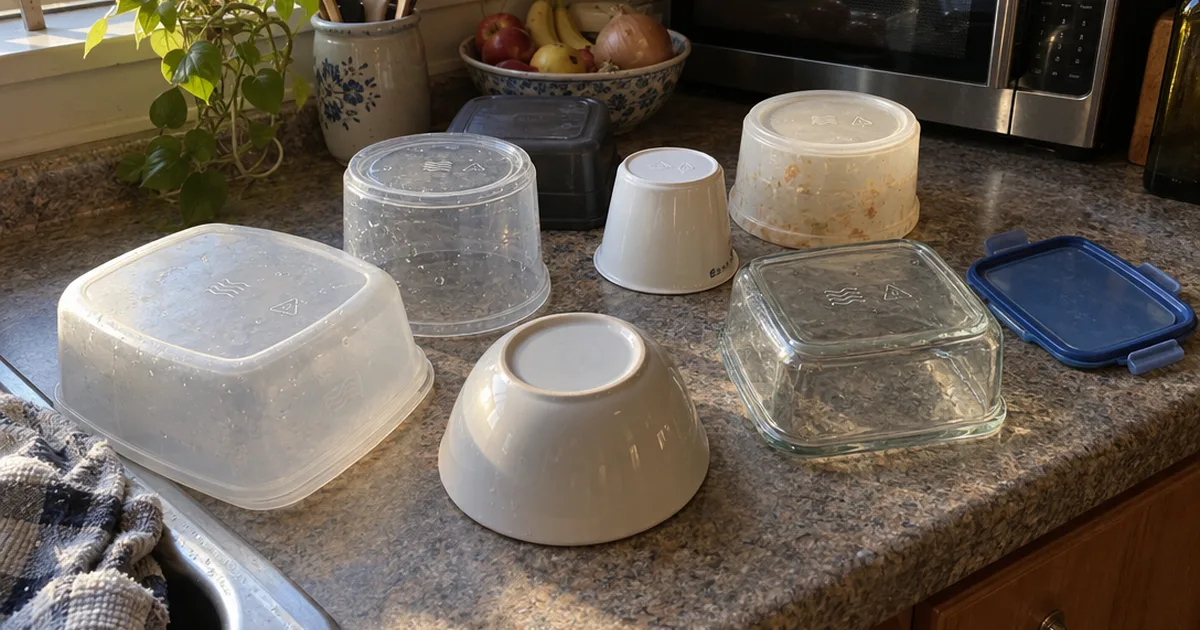
Something is microwave safe when its maker says so. Look on the bottom, the label or the box for the words “microwave safe” or a microwave symbol with wavy lines.
Container maker Sistema spells out the rule in its FAQ. Its products without the engraved microwave symbol cannot be used in microwaves.
No mark means no promise.
The marks come in a few shapes, and the microwave safe symbol page decodes each one, including the crossed-out version. A dishwasher mark promises something else, so don’t read the dishwasher safe symbol as a microwave one.
The same check settles whether you can put plastic Tupperware in the microwave. Read the base before you heat it.
What If There’s No Label?
An item with no label stays out of the microwave until you move the food or test the dish.
You have 2 good options:
- Move the food to a dish you already know is marked microwave safe.
- Run the 1-minute water test, if the dish is glass or ceramic.
Melamine dishware is the classic trap here. A Sub-Zero and Wolf support page warns never to microwave it, since it can look like other plastics.
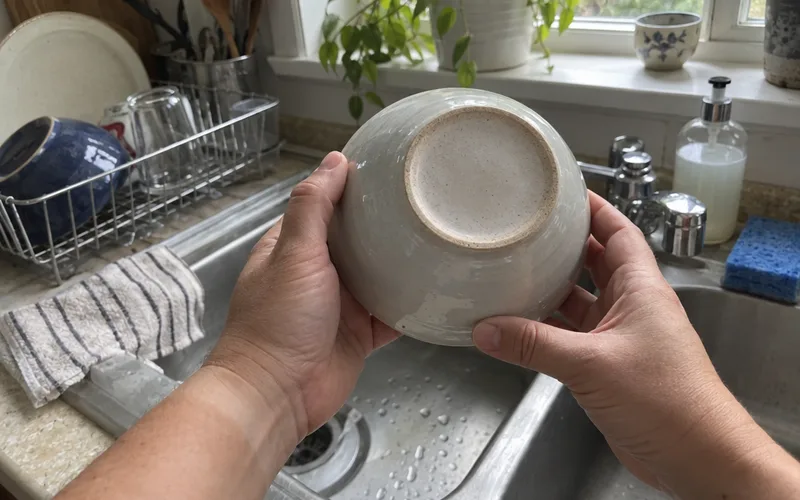
So check the undersides for written warnings on any hard, shiny plastic plate or bowl.
How to Test If a Dish Is Microwave Safe
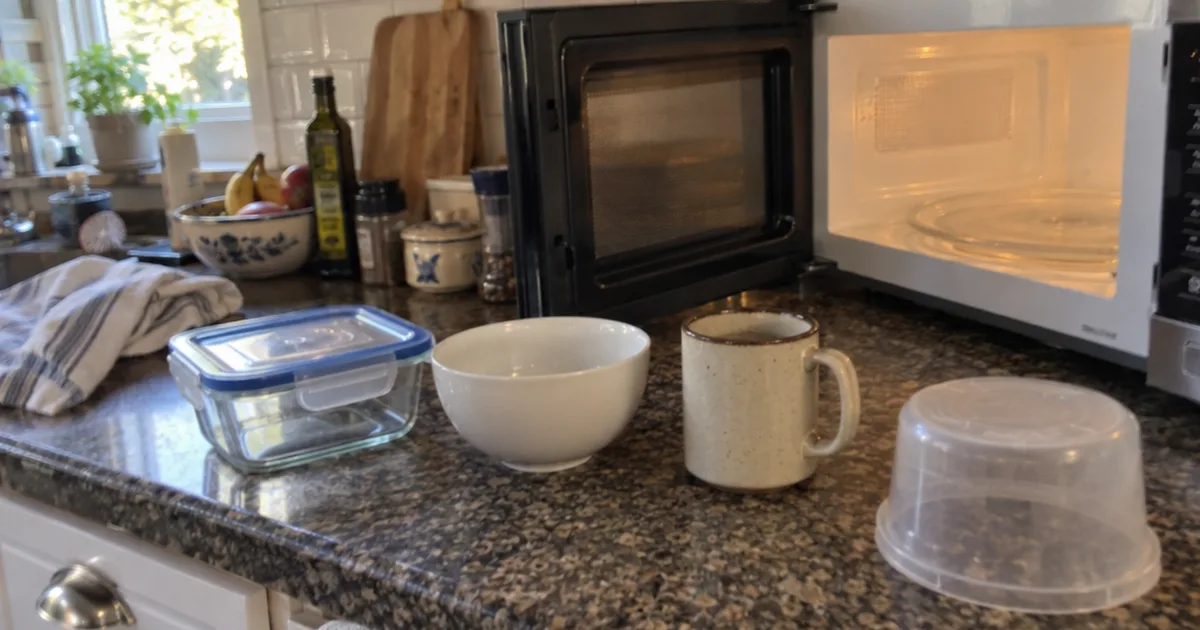
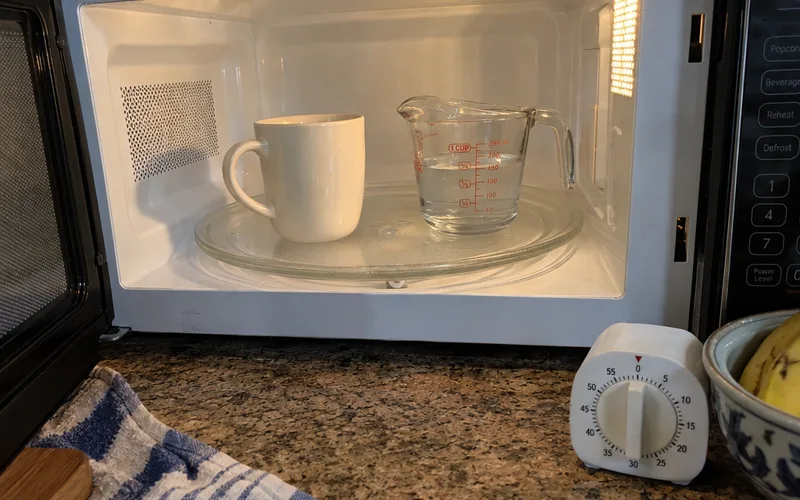
To test a dish, heat it empty on high for 1 minute beside a glass cup holding 1 cup of water. Then touch the dish: if it’s warm or hot, it isn’t microwave safe.
That’s the dish safety test in a Sub-Zero and Wolf microwave guide. Here’s how to run it:
- Pour 1 cup of water into a glass measuring cup.
- Set the cup in the microwave next to the dish, not touching it.
- Heat on high for 1 minute.
- Carefully touch the dish.
A dish that stays cool passed. If it feels warm or hot, the same guide says it has metal in the material or glaze, so keep it out of the microwave.
It’s a handy check for an old mug, a thrift-store plate or an unmarked glass cup in the microwave.
Note: The test only tells you whether the dish itself heats up. It can’t show whether an unmarked plastic was made for hot food, so plastic still needs a label.
What Materials Are Microwave Safe?
Heatproof glass, glass-ceramic and plain ceramic are microwave safe. So are plastic marked for the microwave, wax paper, parchment and paper approved for microwave cooking, based on a Sub-Zero and Wolf microwave guide.
Here’s the microwave safe materials list at a glance:
| Material | Microwave safe? | Watch for |
|---|---|---|
| Heatproof glass, glass-ceramic | Yes | Must be heatproof |
| Plain ceramic, stoneware | Usually | Metallic paint or trim |
| Plastic marked microwave safe | Yes | No mark means no |
| Wax paper, parchment | Yes | Use as a cover or liner |
| Cooking bags, straw, wood | Yes | No metal parts |
| Paper towels, plates | If approved | Recycled paper |
| Melamine | No | Looks like other plastic |
| Metal pans, utensils | No | Metal handles, trim |
| Cold-storage tubs | No | Margarine, yogurt tubs |
The pattern is simple. Glass and ceramic fill most of the safe rows, and plastic or paper only earns a yes when its maker approves it.
Glass and Glass-Ceramic
Glass-ceramic ware and heatproof glass are safe in the microwave oven, the appliance guide says.
Heatproof is the word that matters, because not every glass is built for heat. That’s why glass in the microwave still deserves a look at the label, even for Pyrex glass dishes and CorningWare casserole dishes.
Ceramic and Stoneware
Ceramic is usually microwave safe when it has no metallic paint or trim. But some ceramic mugs still get too hot because their paints attract microwaves, the same guide warns.
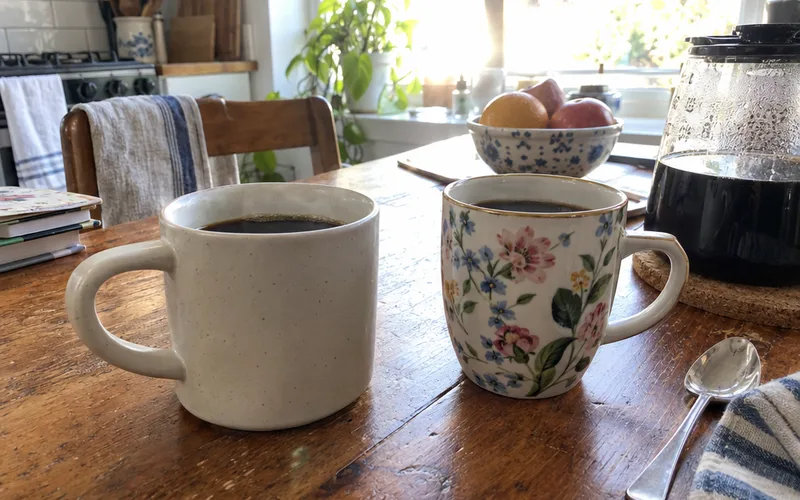
So run the water test on any painted mug before its first trip. If the mug stays cool while the water gets hot, you’re good to go.
Plastic Marked for the Microwave
Plastic is microwave safe only when the exact container or wrap is marked for microwave use.
That rule covers everything from storage tubs to a plastic cup in the microwave. If the mark has worn off, treat the item as unmarked.
Paper, Wax Paper and Parchment
Wax paper, parchment and paper products approved for microwave cooking are safe to use. But recycled paper towels and napkins can hold small amounts of metal, the appliance guide notes.
That’s the reason to reach for plain, non-recycled sheets when you cover a plate. Each paper product has its own catch, from paper towels in the microwave to paper plates in the microwave.
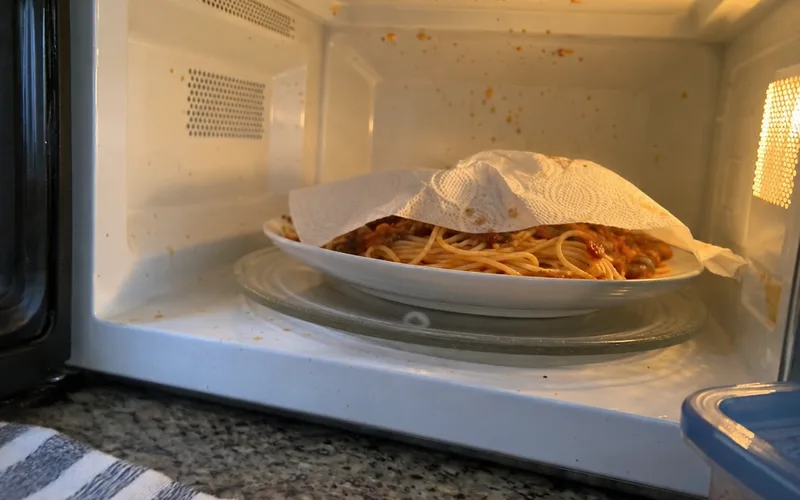
The same goes for wax paper as a cover and parchment paper for reheating. When a box or bag isn’t approved for microwave cooking, the broader rules for paper in the microwave apply.
Cooking Bags and Straw or Wood Baskets
Oven cooking bags, vented plastic bags, and straw or wood baskets with no metal parts are safe to use in the microwave, according to the appliance guide.
The catch is the no-metal part. A basket held together with wire or staples, or a bag closed with a metal twist tie, no longer fits that rule.
Is Plastic Number 5 Microwave Safe?
Plastic number 5 is polypropylene, or PP, which food-container maker Genpak says is generally considered microwave safe. Still, the 5 alone doesn’t make a container safe to heat.
Here’s why. That number is a resin identification code, and the EPA says these symbols were created to identify the type of plastic for recycling.
In other words, the code tells you what the tub is made of, not what it was built to do. A thin number 5 tub made for cold storage is still a cold-storage tub.
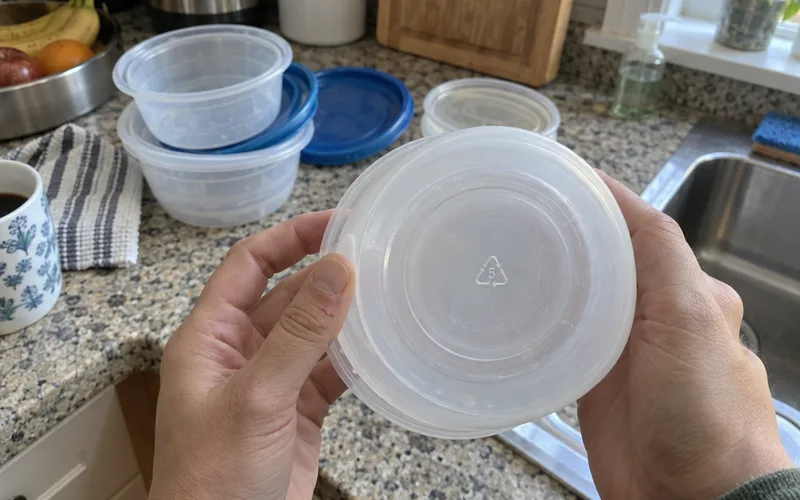
So treat a 5 as a good sign, then look for the microwave mark. The details for PP5 in the microwave come down to that same check.
What Is Not Safe to Put in the Microwave?
Metal pans and utensils, china with metal trim, melamine and cold-storage tubs are not safe to put in the microwave, according to a Wolf microwave guide. That last group means margarine, cottage cheese and yogurt cartons.
Here’s what to keep out:
- Metal pans and utensils: stainless steel included, as the stainless steel question explains.
- China with metallic paint or trim: gold or silver rims count.
- Melamine: it looks like ordinary plastic, so check the underside.
- Cold-storage tubs: the containers your spreads and yogurt came in.
The one twist is a rack made for your microwave, which has its own rules for metal.
Can You Microwave Takeout Containers?
Most takeout containers aren’t microwave safe unless they’re marked for it. Food-container maker Genpak says #1 APET deli containers and polystyrene foam packaging are not safe for the microwave.
The Wolf guide also lists takeout containers with metal handles as unsafe. That rules out the classic folded paper box until the handle comes off and you confirm the box is approved.
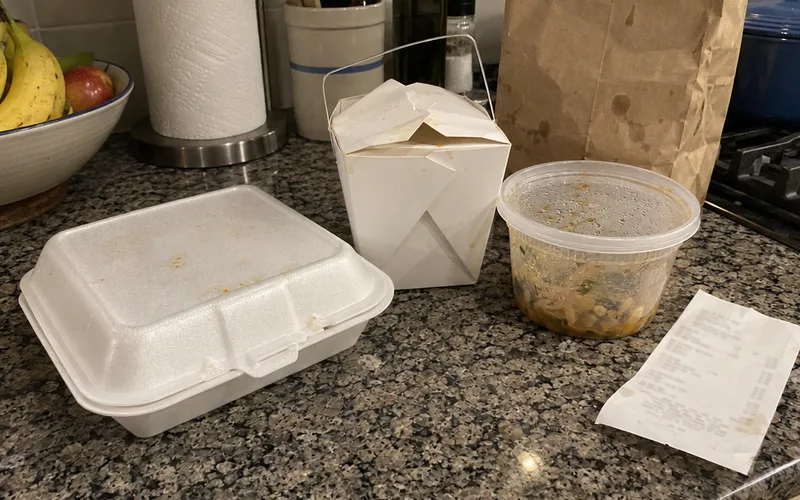
Each type has its own answer, from plastic takeout containers and paper takeout boxes to heating Styrofoam in the microwave.
The fastest fix? Slide the food onto a plate or into a bowl you trust before you reheat it.
What Happens If You Microwave Something That Isn’t Microwave Safe?
Microwaving something that isn’t microwave safe can let chemicals move into your food. Sub-Zero and Wolf says cold-storage plastics are not approved for cooking for exactly that reason.
The container itself can fail too. The same guide says food cooked in any container that warped or melted during heating isn’t safe, so throw that food out.
And a dish with metal in its glaze gets hot itself, which is exactly what the water test catches.
When a container changes shape, the food inside is done.
What Is the Safest Container to Microwave Food In?
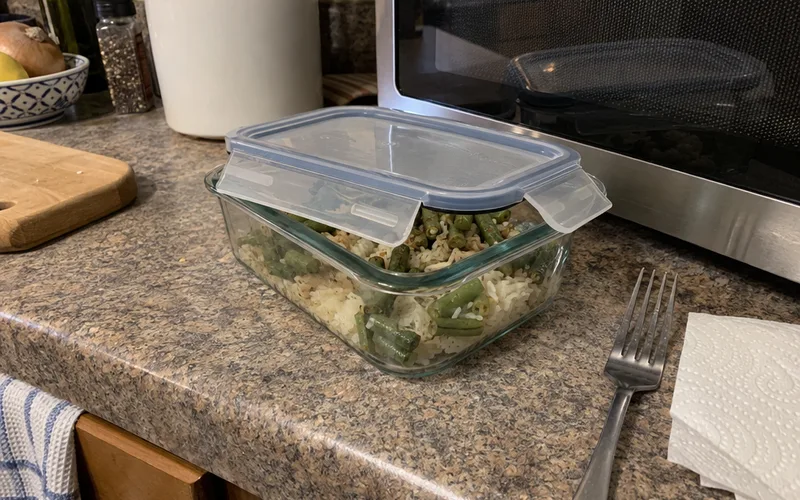
Heatproof glass or glass-ceramic is the safest container to microwave food in. A Wolf microwave guide lists both as safe with no extra conditions.
Plain ceramic is a close second once it passes the water test. Marked plastic works too, but it comes with directions you have to follow.
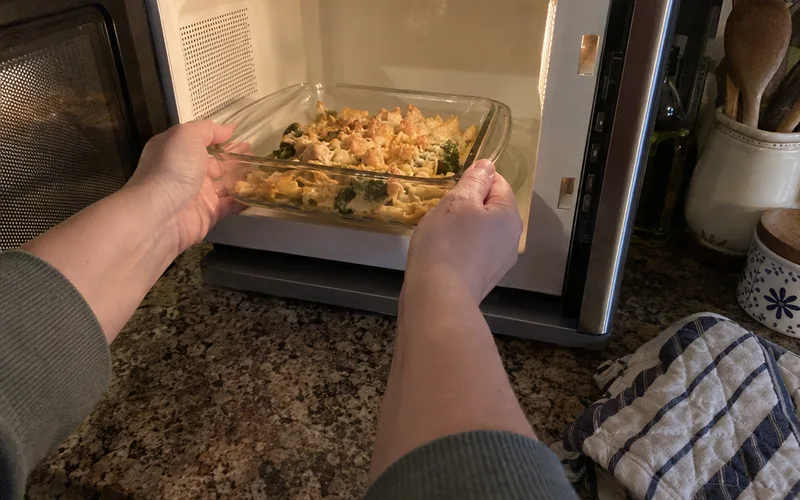
That makes glass the easy default for leftovers you reheat every week. If you’d rather keep plastic away from hot drinks as well, a no-plastic coffee maker does the same job for your morning cup.
Is Microwave Safe the Same as Oven Safe?
Microwave safe and oven safe are separate promises. A dish needs its own oven-safe mark before it goes into a regular oven.
That mark looks different, and the oven safe symbol page shows what to look for.
A convection microwave oven blurs the line. Sub-Zero and Wolf says any oven-safe cookware works in Convection Only mode, while mixed modes take only microwave-safe containers.
That’s also where metal in a convection microwave gets tricky. So match the dish to the mode on whichever type of microwave you own.
The Bottom Line
Trust the maker’s mark over the material, and test anything unmarked.
This week, flip over every container you reheat in and move the unmarked ones to cold storage only.
And when the question is the appliance rather than the dish, start with stoves and ovens.
Frequently Asked Questions
What are some disposable microwave safe containers?
Disposable containers marked microwave safe, many of them #5 polypropylene, and paper plates or bowls approved for microwave cooking are the disposable options that work. Food-container maker Genpak says #1 APET deli containers and polystyrene foam are not safe for the microwave, so skip those.
Is it safe to microwave food in plastic containers labeled microwave safe?
Yes, plastic labeled microwave safe is made for it, since Chemical Safety Facts, an American Chemistry Council site, says the label means the material was tested to withstand heat without transferring substances into food. Follow the heating directions on the label, and retire any container that warps or melts.
Does microwave-safe plastic have anything to do with the microwaves themselves?
Microwave-safe plastic is rated for the heat of microwave use as a whole, not for one part of it. Chemical Safety Facts says the label means the material can take that heat without breaking down or moving substances into food.
Can you microwave something without a label?
An item without a label carries no promise from its maker, so the safe move is to put the food in a dish you know is microwave safe. Glass or ceramic can also be checked with the 1-minute water test, but unmarked plastic still needs a label.